High-Protein Food List, Benefits of Protein for Weight Loss & 7-Day High-Protein Meal Plan
If there is one nutrient worth paying more attention to, it is protein. Protein is the foundation of supporting all your goals. Do you want to lose weight? Build muscle? Stay energized throughout the day? Or simply just feel your best? You need this high-protein food list and high-protein meal plan.
And the best part about a high-protein diet is that you do not have to follow a complicated plan to get enough of it. You just need to know which foods to reach for (high-protein foods per serving) and how to put them together in a way that works for your life. It’s that simple.
In this particular guide, we are looking at: the benefits of protein, how much protein you actually need, listing 50 of the best protein-rich foods, including protein per serving, and a practical 7-day high-protein meal plan to put it all into action.
What Makes Protein So Important?
Protein is one of three macronutrients your body relies on daily, alongside carbohydrates and fats.
What makes protein unique is that it is built from amino acids, which are often described as the body’s building blocks. So protein literally builds your body.
These amino acids are involved in a multitude of processes in the body, from repairing cells to producing the chemical messengers that regulate your focus and mood to supporting muscle health.
So, What Are the Benefits of Protein?
1. It Supports Muscle Health at Every Age
The human body is constantly breaking down and rebuilding muscle tissue. Protein supplies the raw materials needed to keep up with that repair process. This matters whether you are just an adult who wants to stay functional and strong as years go by, or simply someone who exercises regularly and wants to build or preserve muscle. Muscle mass inevitably decreases with age, and eating enough protein is one of the most effective ways to slow that process.
2. It Gives Your Metabolism a Natural Boost
Digesting protein usually requires more energy than digesting carbohydrates or fats. This is referred to as the thermic effect of food. Simply put, your body burns slightly more calories simply by processing protein-rich meals.
Besides, since protein helps maintain lean muscle mass, and muscle tissue burns more calories even at rest, it naturally supports a healthier metabolic rate over time.
So, if you’re trying to lose weight, protein is a no-brainer.
3. It Helps You Feel Full and Satiated
Protein is undoubtedly the most filling of the three macronutrients. When you include it in your meals, you are less likely to feel hungry an hour later or find yourself reaching for snacks out of habit.
This is how it goes: protein influences the hormones that regulate appetite by boosting the signals that tell your brain that you are full while reducing the ones that trigger hunger.
This is a dream for anyone trying to lose weight or trying to eat more mindfully. Food noise sucks, and not having to think about food constantly is so comforting.
4. It Fuels Mental Clarity and Mood
Protein is not just about physical health. The amino acids it provides are used by the brain to produce neurotransmitters such as dopamine, norepinephrine, and serotonin, which are chemicals that influence focus, motivation, and emotional balance.
For instance, tryptophan, which is found in many protein-rich foods, is a precursor to serotonin, which plays a role in feelings of calm and well-being.
Eating protein consistently throughout the day can help support steady energy and a more stable mood. And everyone deserves to feel good!
5. It Keeps Blood Sugar More Stable
Eating meals that are heavy on refined carbohydrates without much protein can lead to sharp rises and drops in blood sugar, which often shows up as brain fogs, energy crashes, and sudden cravings.
Protein slows down digestion, which means glucose enters your bloodstream at a steadier pace. The result is more consistent energy and fewer urges to reach for something sweet mid-afternoon.
And it’s amazing how not snacking (particularly on unhealthy options) in between meals can help regulate your energy levels and mood in general.
6. It Supports Healthy Aging
As we grow older, staying mobile, independent, and strong becomes more of a priority. There is this common saying about how we are what we eat…and well, ain’t that the truth?
Protein plays a central role in maintaining muscle mass and, by extension, strength and mobility.
It also supports immune function and tissue repair, both of which become increasingly important with age.
How Much Protein Intake Does Your Body Require Each Day?
Protein needs are not the same for everybody. It varies depending on factors such as your body weight, age, activity level, and health goals.
For a generally sedentary adult, the standard recommendation is around 0.8 grams of protein per kilogram of weight per day. As a practical example, someone weighing around 170 pounds (approximately 77 kilograms) would aim for roughly 62 grams of protein daily.
If you are more active, especially if you do regular strength training or endurance exercise, your needs increase considerably. Active individuals often benefit from 1.2 to 1.7 grams per kilogram of body weight, which can translate to 100grams or more per day.
The most sustainable way to meet your protein target is by spreading intake across meals and snacks throughout the day, rather than trying to get it all at once. And the following list gives you plenty of options to work with:
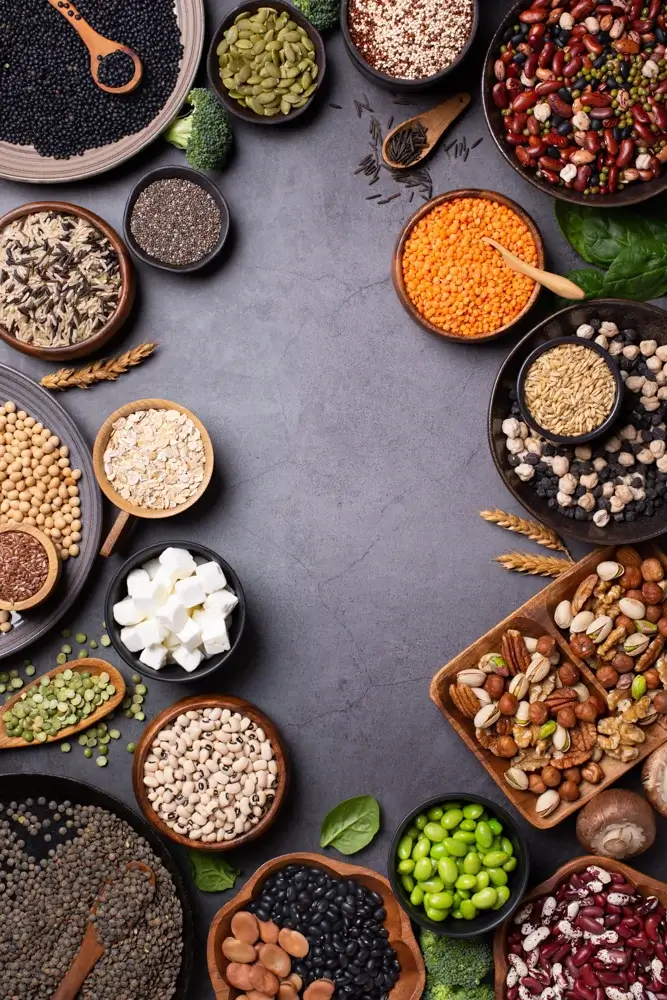
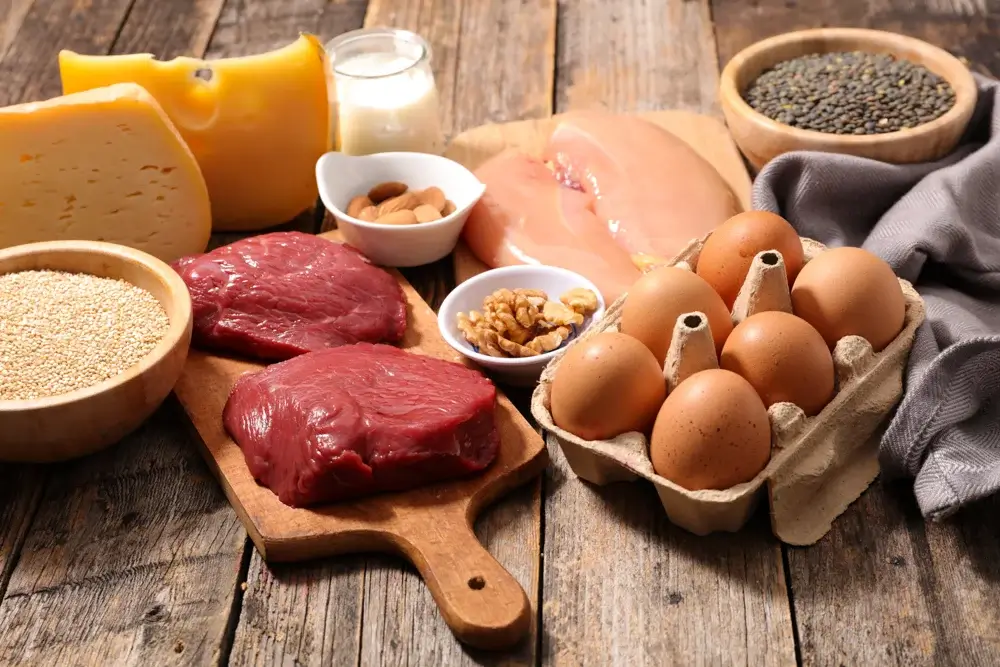
High-Protein Food List (50 of the Best Protein-Rich Foods per Serving)
Animal-Based Proteins
- Whole eggs – 6g per egg
- Milk – 8g per cup
- Parmesan cheese – 10g per oz
- Egg whites – 11g per ½ cup
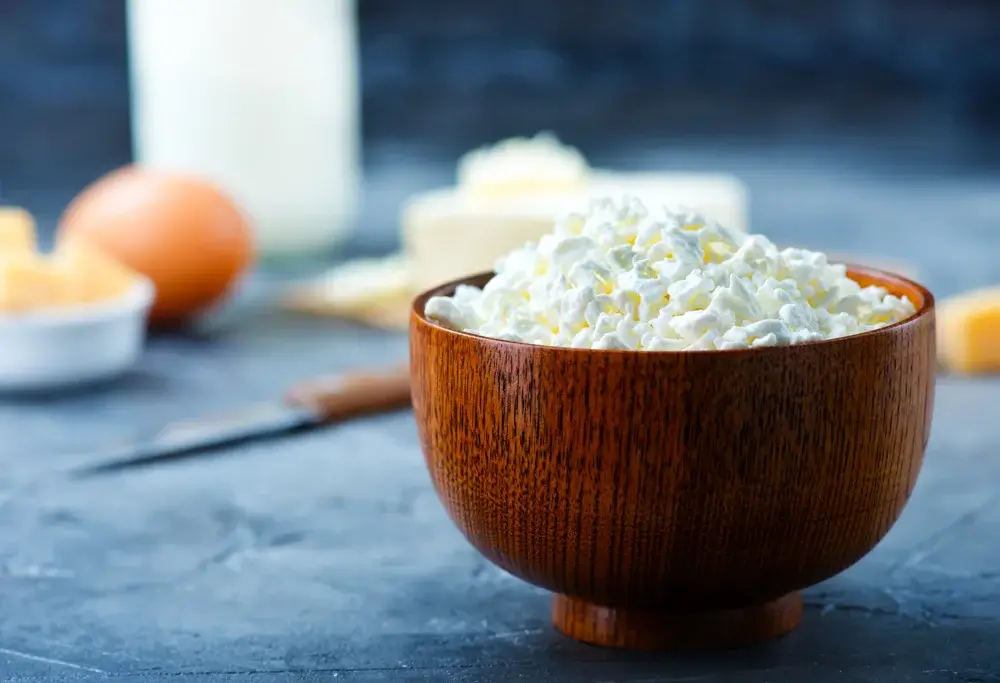
- Cottage cheese – 14g per ½ cup
- Greek yogurt – 17-20g per serving
- Cod – 20g per 4 oz
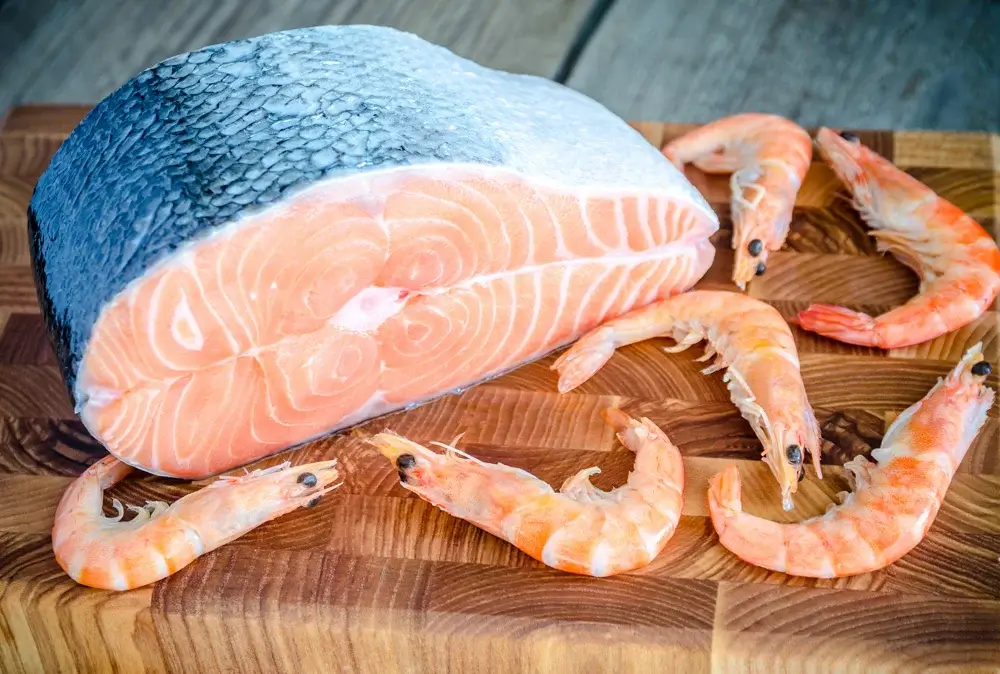
- Salmon – 22g per 4 oz
- Clams – 22g per 4 oz
- Sardines – 23 per 4 oz
- Chicken breast – 35g per 4 oz
- Turkey breast – 34 g per 4 oz
- Tuna – 30g per 4 oz
- Bison – 28g per 4 oz
- Duck breast – 28g per 4 oz
- Lean lamb – 28g per 4 oz
- Venison – 28g per 4 oz
- Pork loin – 26g per 4 oz
- Lean beef – 26g per 4 oz
- Shrimp – 24g per 4 oz
- Ground Turkey – 23g per 4 oz
Plant-Based Proteins
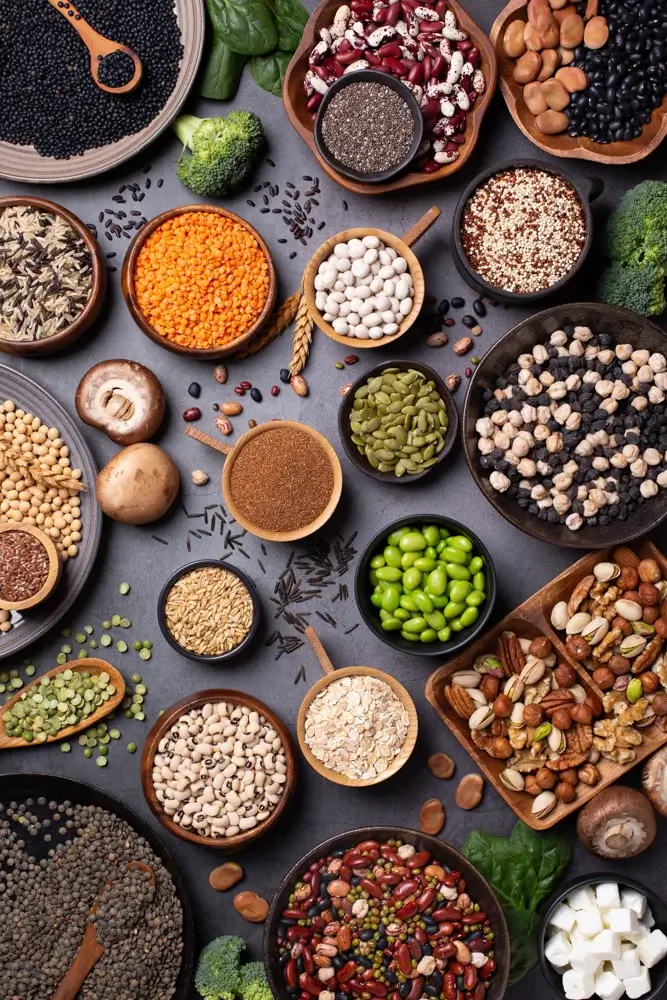
- Quinoa – 8g per cup
- Oats – 6g per cup
- Farro – 6g per cup
- Tempeh – 31g per cup
- Lupini beans – 26g per cup
- Tofu – 20g per cup
- Lentils – 18g per cup
- Edamame – 17g per cup
- Navy beans – 15g per cup
- Chickpeas – 15g per cup
- Black beans – 15g per cup
- Kidney beans – 13g per cup
- Fava beans – 13g per cup
- Green peas –9g per cup
- Amaranth – 9g per cup
Nuts and Seeds
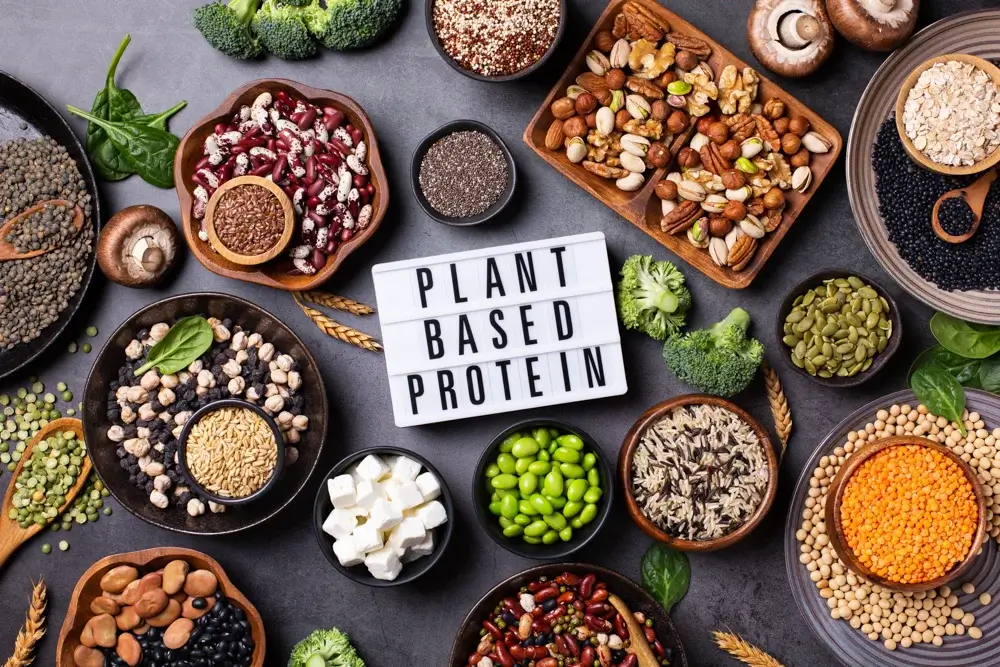
- Peanuts – 7g per oz
- Pumpkin seeds – 7g per oz
- Almonds – 6g per oz
- Walnuts – 4g per oz
- Hemp seeds – 10g per oz
- Pistachios – 6g per
- Flaxseeds – 5g per oz
- Cashews – 5g per oz
- Sunflower seeds – 6g per oz
Other Protein-Rich Options
- Seitan – 25g per 3 oz
- Almond butter – 7g per 2tbsp
- Ezekiel bread – 8g per 2 slices
- Spirulina – 8g per 2tbsp
- Nutritional yeast – 8g per 2 tbsp
- Peanut butter – 8g per 2 tbsp
- Protein powder – 20-25g per scoop
A 7-Day High-Protein Meal Plan to Get You Started
Knowing which foods are high in protein is one thing, but knowing how to actually use them in your daily meals is another.
This 7-day high-protein meal plan takes the guesswork out of it. Each day is built around balanced, satisfying meals with protein at the center.
This is to show you that no complicated recipes are required for you to meet your goals.
Day 1
Breakfast: Protein oatmeal made with oats, protein powder, almond butter, and banana slices
Lunch: Egg salad with Greek yogurt served on whole-grain toast with lettuce
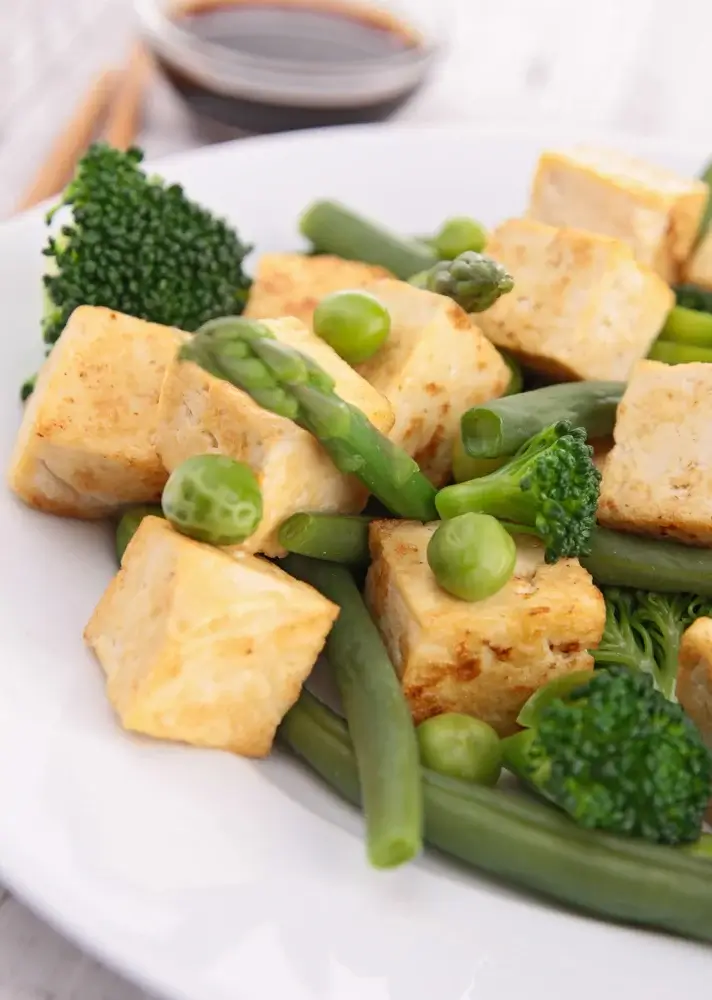
Dinner: Tofu stir-fry with broccoli, carrots, and snap peas over brown rice
Day 2
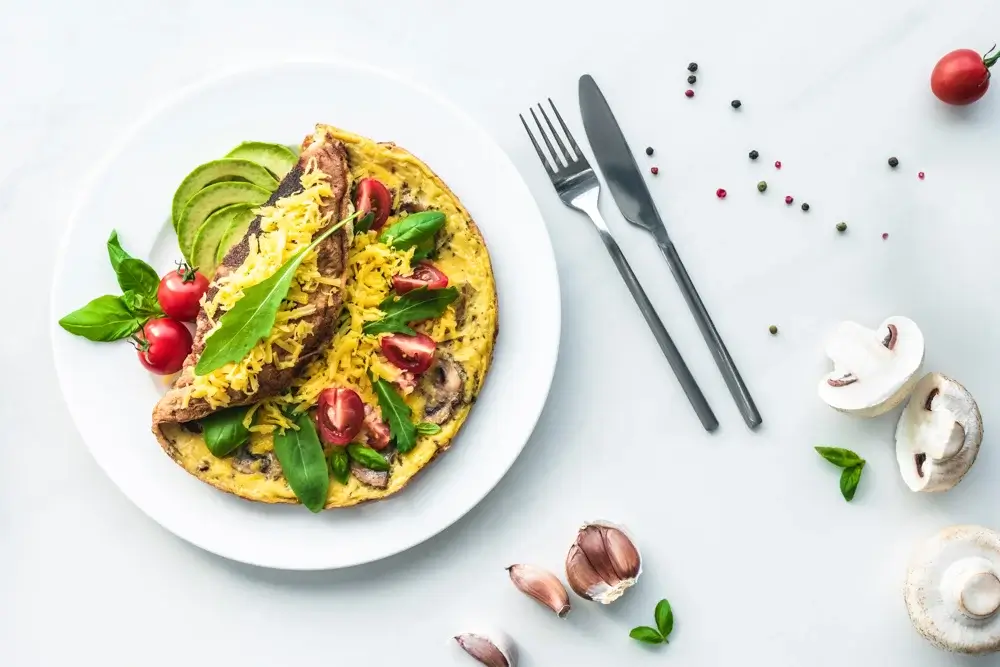
Breakfast: Vegetable omelet with spinach, mushrooms, tomatoes, and feta cheese
Lunch: Chicken and quinoa bowl with roasted sweet potato, avocado, and greens
Dinner: Baked salmon with steamed broccoli and wild rice
Day 3
Breakfast: Scrambled eggs on whole-grain toast with sliced avocado
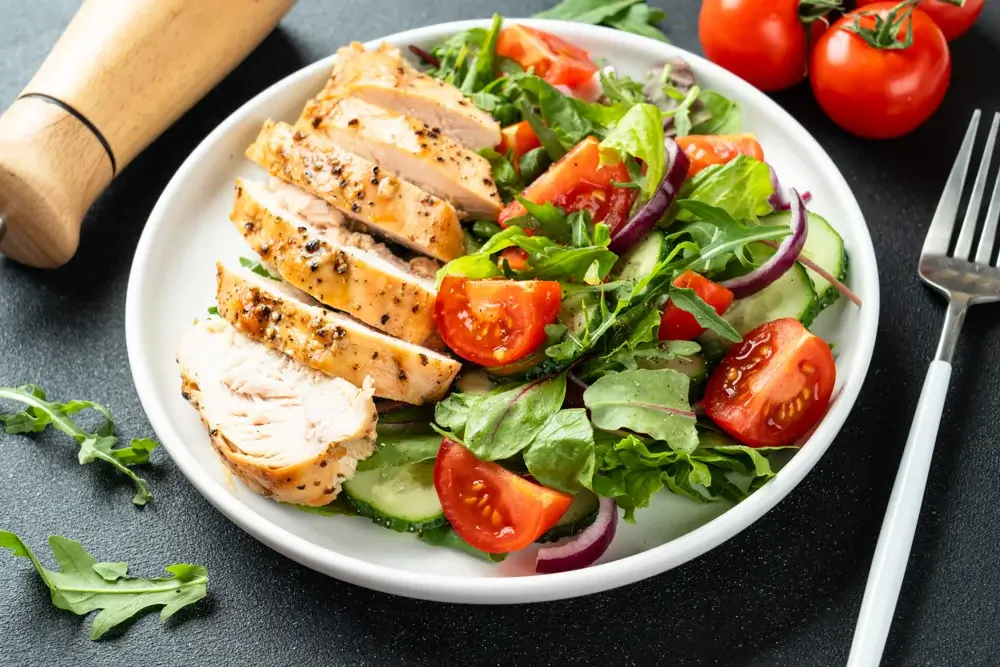
Lunch: Grilled chicken salad with mixed greens, cherry tomatoes, cucumber, and a lemon-olive oil dressing
Dinner: Baked salmon with roasted broccoli and a side of quinoa
Day 4
Breakfast: Greek yogurt topped with fresh berries, chia seeds, and a drizzle of honey
Lunch: Turkey and avocado wrap with lettuce and tomato
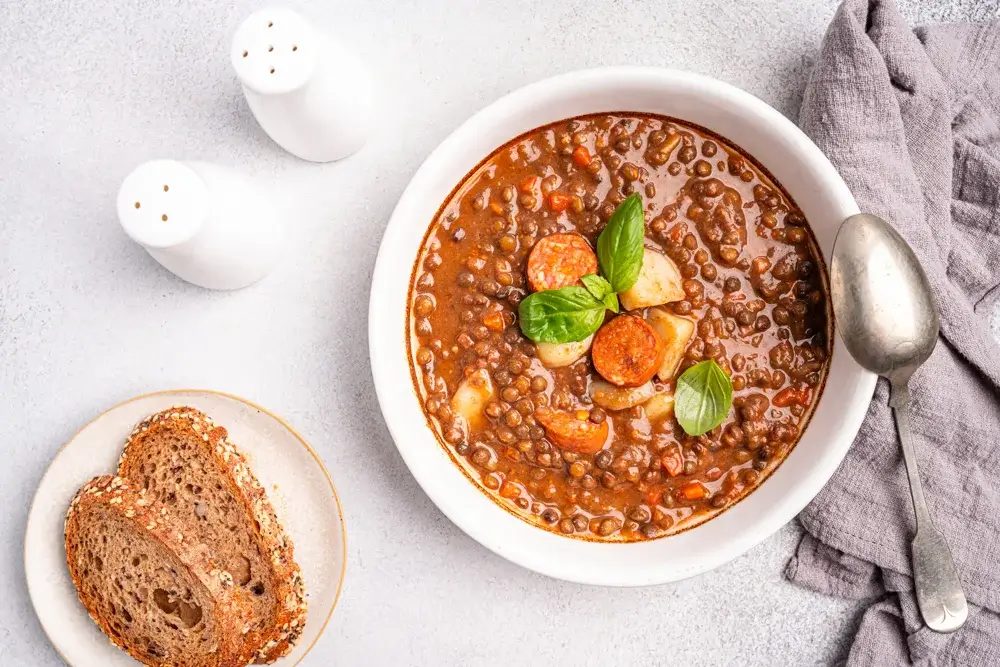
Dinner: Hearty lentil soup with roasted vegetables and whole-grain toast
Day 5
Breakfast: Protein smoothie with protein powder, banana, spinach, almond milk, and peanut butter
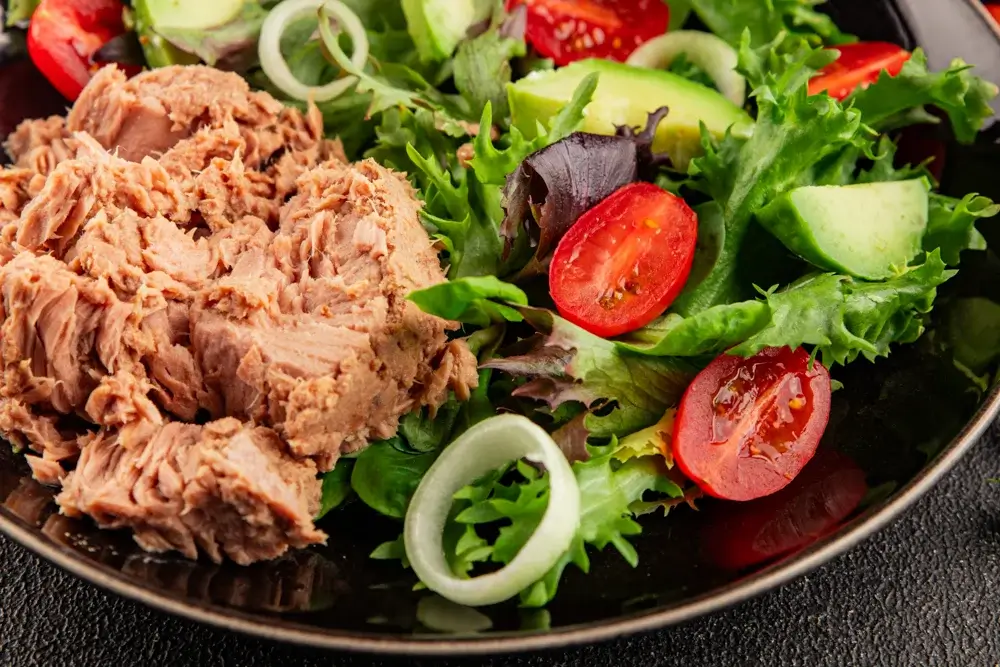
Lunch: Tuna salad with olive oil, lemon, celery, and a bed of mixed greens
Dinner: Chicken stir-fry with bell peppers and broccoli over brown rice
Day 6
Breakfast: Cottage cheese bowl with sliced peaches, almonds, and flaxseeds
Lunch: Quinoa bowl with chickpeas, cucumber, baby spinach, and tahini dressing
Dinner: Grilled shrimp with sauteed zucchini and garlic brown rice
Day 7
Breakfast: Protein pancakes with a dollop of Greek yogurt and fresh berries
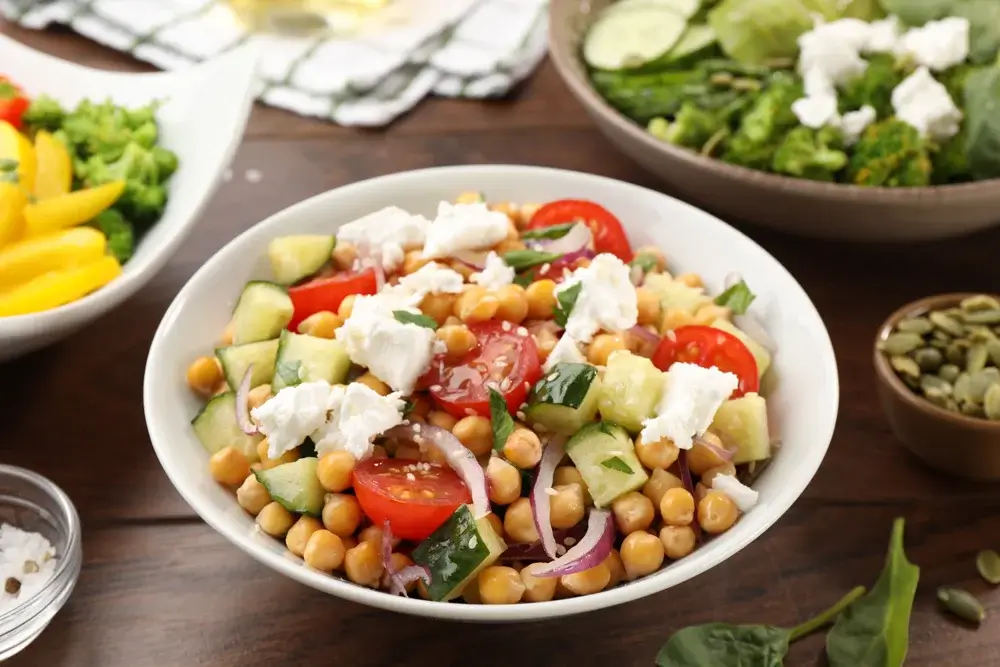
Lunch: Chickpea salad with tomatoes, cucumber, feta, olive oil, and fresh herbs
Dinner: Turkey meatballs in marinara sauce with a side of roasted vegetables
Final Thoughts on High-Protein Food List + Meal Plan
Eating more protein does not mean changing your whole life and overhauling your kitchen, far from it. Eating more protein is as simple as making small, intentional choices such as swapping a super carb-heavy snack for Greek yogurt, adding eggs to your breakfast, or building your dinner around a solid protein source. It’s as simple as embracing a high-protein food list in your diet.
What makes protein so powerful is that it is efficient at keeping you full, supporting your muscles, stabilizing your energy, and generally helping your body function at its best. Those benefits add up over time.