High Fiber Foods for Beginners: Soluble vs. Insoluble Fiber (Plus a 7-Day High Fiber Meal Plan)
Let’s talk fiber. Not exactly the most exciting topic, I know. But stick around, because fiber might just be one of the most underrated nutrients out there. Most of us know fiber is “good for digestion,” and that’s just about it. But high fiber foods do so much more than keep you regular.
Indeed, a high-fiber diet means better blood sugar control, lower cholesterol, better gut health, and yes, it even helps with weight loss. And here’s the thing. Most of us aren’t even getting close to the recommended fiber intake. Like, not even half of what we need on most days. Which is a shame. We are all going on and on about protein, completely ignoring just how important fiber is.
So in this guide, I’ll break down the two types of fiber, soluble and insoluble, why you need both, the best high fiber foods to eat, and a full 7-day high fiber meal plan using real meals to get you started.
So, What is Fiber, Exactly?
Basically, fiber is a type of carbohydrate found in plant foods that your body can’t actually digest.
Unlike other carbs that get broken down into glucose for energy, fiber passes through your digestive system mostly intact. And that’s exactly what makes it so useful.
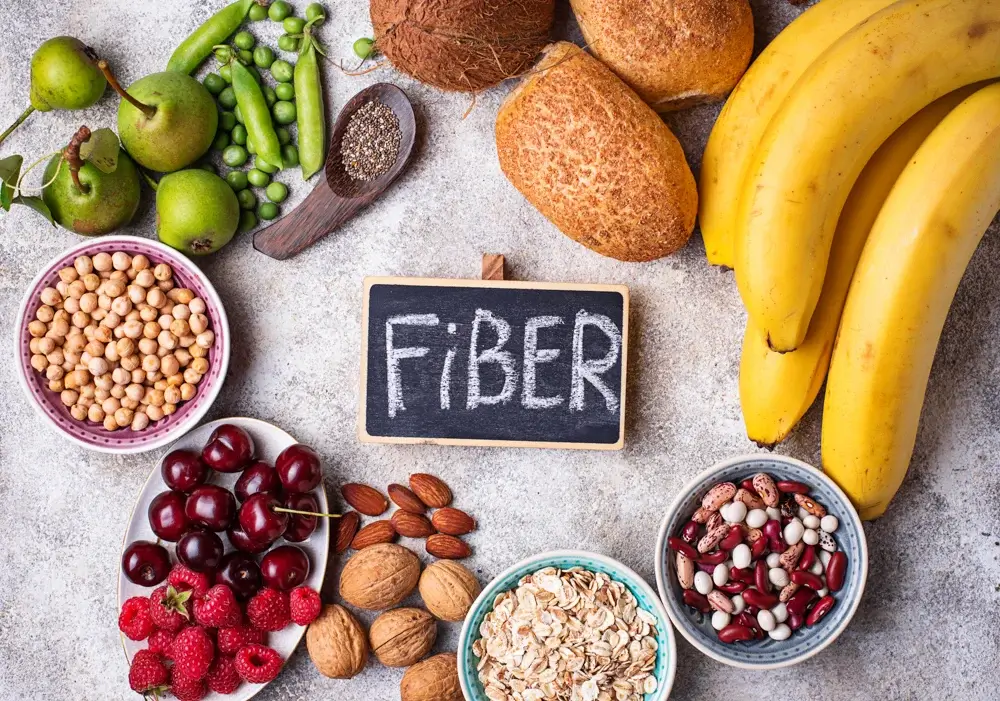
There are two main types of dietary fiber, soluble and insoluble, and most high fiber foods contain a mix of both. However, foods tend to lean more heavily toward one type or the other, which is why it’s worth understanding the difference.
InSoluble Fiber vs. Soluble Fiber: What’s the Difference?
Soluble Fiber
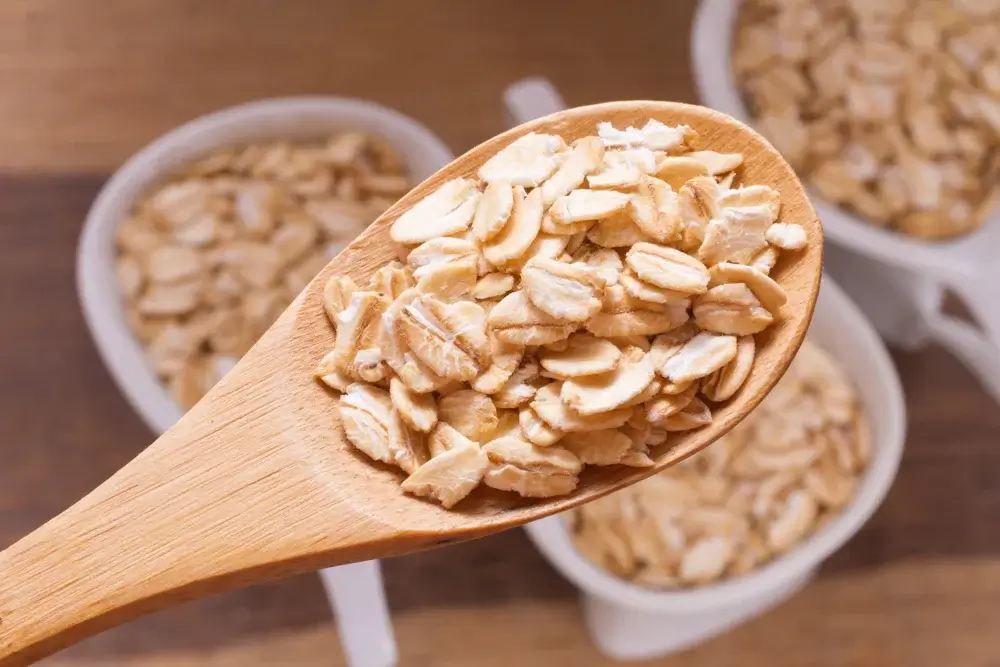
Soluble fiber dissolves in water, forming a gel-like substance in your digestive tract. This gel slows down digestion, which is why soluble fiber is so good at helping you feel full for longer. Soluble fiber is also known for its role in:
- Lowering LDL (“bad”) cholesterol
- Helping stabilize blood sugar levels
- Feeding the good bacteria in your gut
You’ll find soluble fiber in foods like oats, beans, apples, citrus fruits, and chia seeds.
Insoluble Fiber
Insoluble fiber, on the other hand, does not dissolve in water. Instead, it adds bulk to your stool and helps move food through your digestive system more efficiently. Basically, if soluble fiber is the gel, insoluble fiber is the broom.
Insoluble fiber is your go-to for:
- Dealing with and preventing constipation
- Promoting regularity
- Supporting overall gut and colon health
Good sources of insoluble fiber include whole wheat products, nuts, seeds, and the skins of fruits and vegetables.
Quick tip to help differentiate between soluble and insoluble fiber: if a food turns gel-like when you add water to it (for instance, oatmeal, chia seeds, or flaxseed), it’s likely high in soluble fiber. If it stays pretty much the same, it’s probably higher in insoluble fiber.
But please remember, you don’t have to overthink which type you’re eating at every meal. Most whole, plant-based foods contain both. The goal is simply to eat a wide variety, so you’re covering your bases.
How Much Fiber Do You Actually Need?
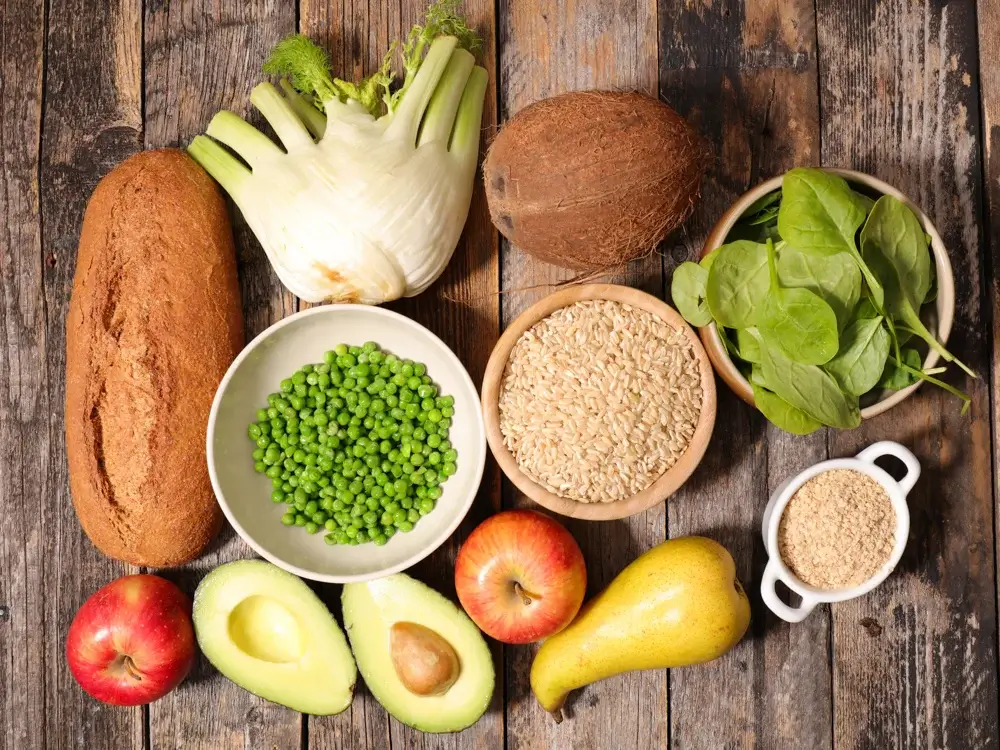
According to general dietary guidelines, most adult women should aim for about 25 grams of fiber a day, and adult men should aim for closer to 35-38 grams.
And yet, 90-95% of Americans do not consume the recommended daily fiber. In fact, most people only get about half that amount on a typical day. The good news? Once you know which foods to reach for, hitting your fiber goals becomes a lot easier than you’d think.
Benefits of Eating More High-Fiber Foods
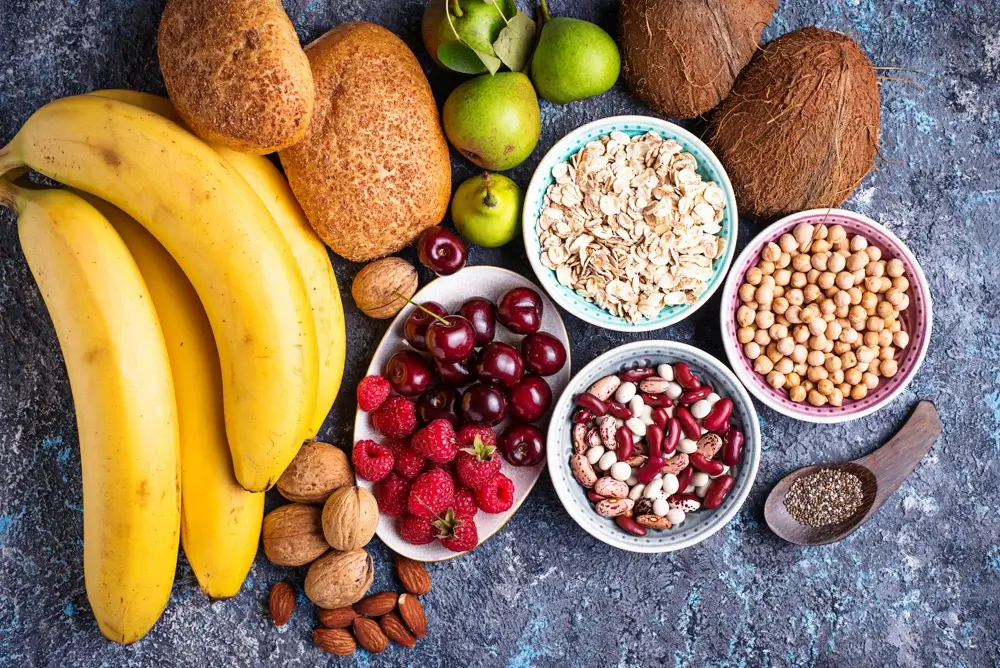
Okay, so why should you actually care about fiber? Here’s what a high fiber diet can do for you.
- Supports Digestive Health -This is the big one. Fiber, especially insoluble fiber, helps keep things moving through your digestive tract, which can prevent constipation and support a healthy gut.
- Helps Manage Blood Sugar- Soluble fiber slows down how quickly sugar is absorbed into your bloodstream, which can help prevent those sharp blood sugar spikes and crashes.
- May Lower Cholesterol- Soluble fiber binds to cholesterol in your digestive system and helps remove it from the body, which may help lower your overall cholesterol levels over time.
- Keeps You Fuller for Longer – High fiber foods take longer to digest, which means you’ll likely feel satisfied longer and snack less throughout the day. This makes fiber a genuine ally if weight loss is one of your goals.
- Feeds Your Gut Bacteria- Certain soluble fibers act as prebiotics, meaning they feed the beneficial bacteria living in your gut. And a healthy gut microbiome has been linked to everything from better digestion to improved immunity to improved mood.
High Fiber Foods List:
Soluble Fiber Sources
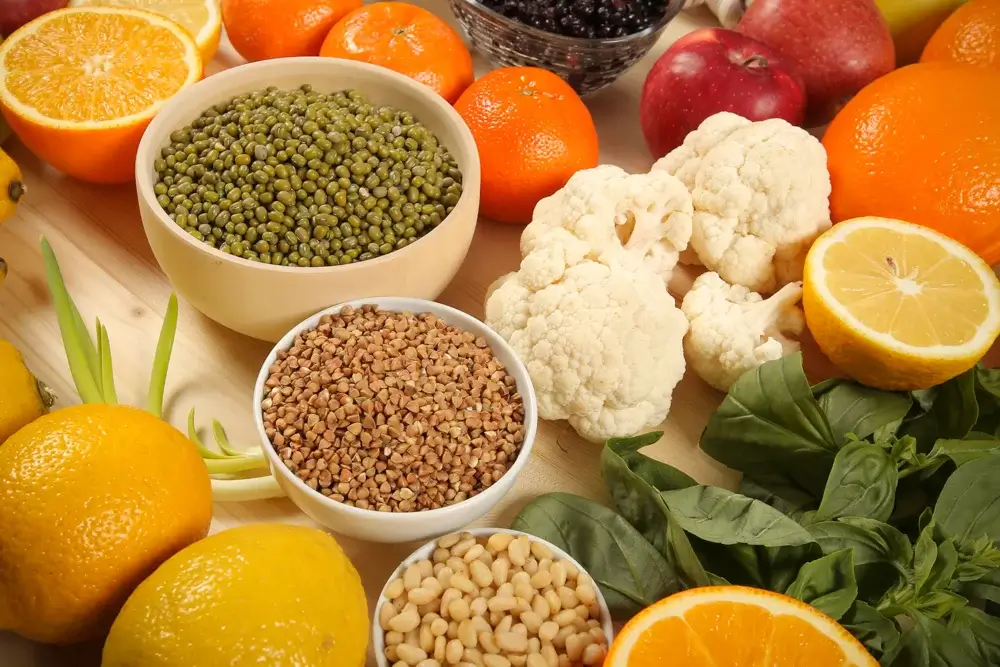
Here are some of the best soluble fiber foods to add to your plate.
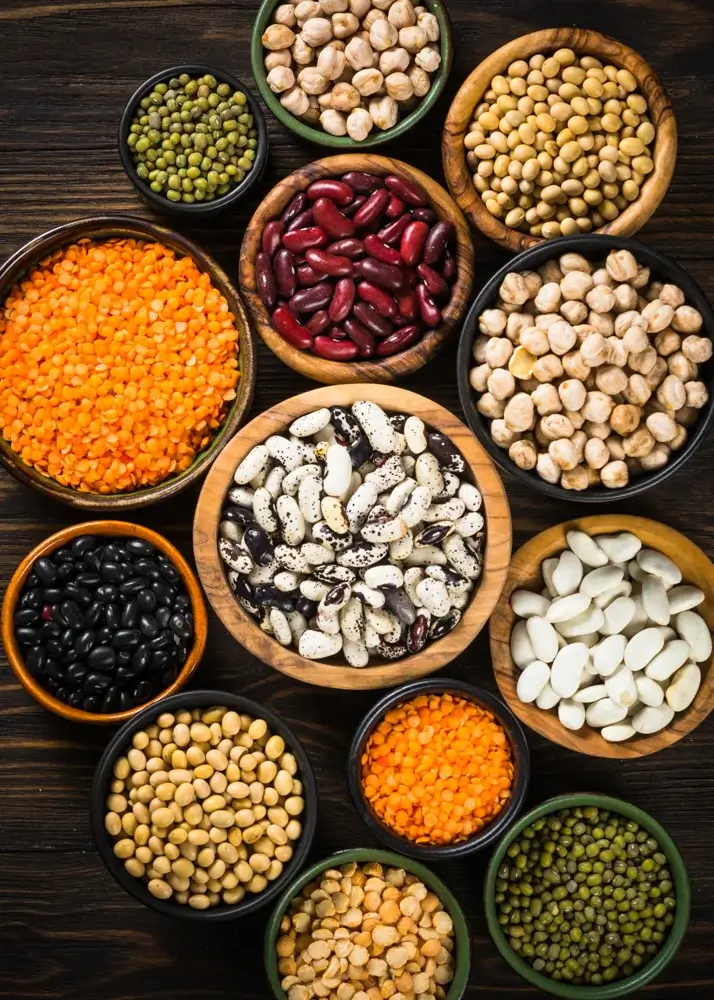
- Oats and oat bran
- Beans and lentils
- Chia seeds and ground flaxseed
- Apples and pears (with the skin)
- Citrus fruits like oranges and grapefruit
- Carrots
- Barley
- Avocados
- Sweet potatoes
- Brussels sprouts
Insoluble Fiber Sources
And here are some top insoluble fiber foods to work into your meals.
- Whole wheat bread and whole wheat pasta
- Wheat bran
- Brown rice and quinoa
- Nuts, especially almonds and walnuts
- Seeds like sunflower and pumpkin seeds
- Cauliflower and broccoli
- Green beans
- Leafy greens like kale and spinach
- Potatoes with the skin on
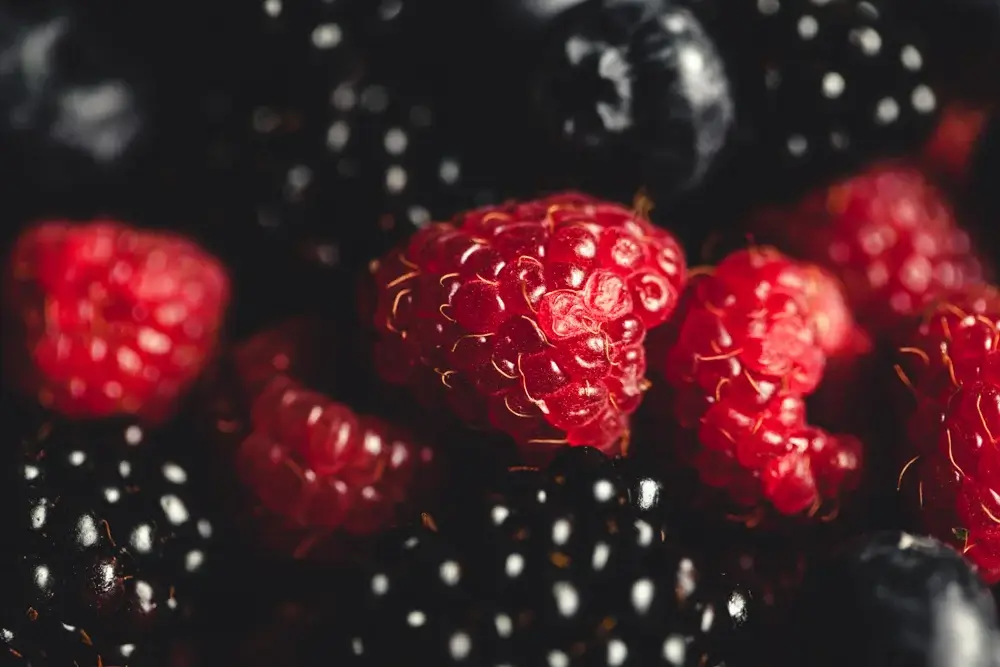
- Berries, particularly raspberries and blackberries
Best High Fiber Foods That Do Both ( Soluble & Insoluble Fiber)
Some foods are true fiber powerhouses because they contain a healthy dose of both types. These are great staples to build your meals around.
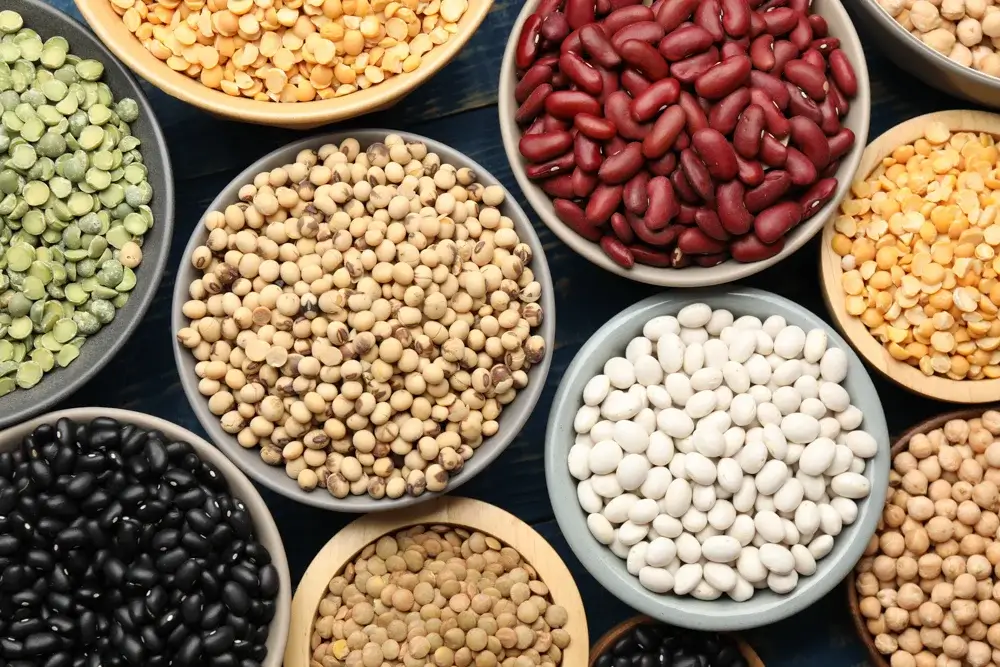
- Legumes (beans, chickpeas, lentils, peas)
- Berries
- Avocado
- Whole grains like oats and quinoa
- Broccoli
- Chia seeds and flaxseed
How to Add More Fiber to Your Diet (Without Bloating)
Increasing your fiber intake too quickly can actually backfire and leave you dealing with gas, bloating, or cramping.
So here’s how to do it right.
- Go slow. Add high fiber foods gradually over a couple of weeks rather than all at once.
- Drink more water. Fiber needs water to do its job properly, so upping your intake without upping your water intake can actually make constipation worse, not better.
- Choose whole foods over supplements. Whole foods give you fiber along with vitamins, minerals, and antioxidants that a fiber supplement simply can’t replicate.
- Read labels. Look for at least 3-5 grams of fiber per serving when choosing packaged foods like bread or cereal.
- Eat the skin. A lot of fiber lives in the skin of fruits and vegetables, so leave it on whenever you can.
7-Day High Fiber Meal Plan
Alright, let’s get practical. Below is a simple 7-day high fiber meal plan using real, everyday ingredients that you probably have in your kitchen right now. Feel free to swap meals around based on what you have on hand.
Day 1
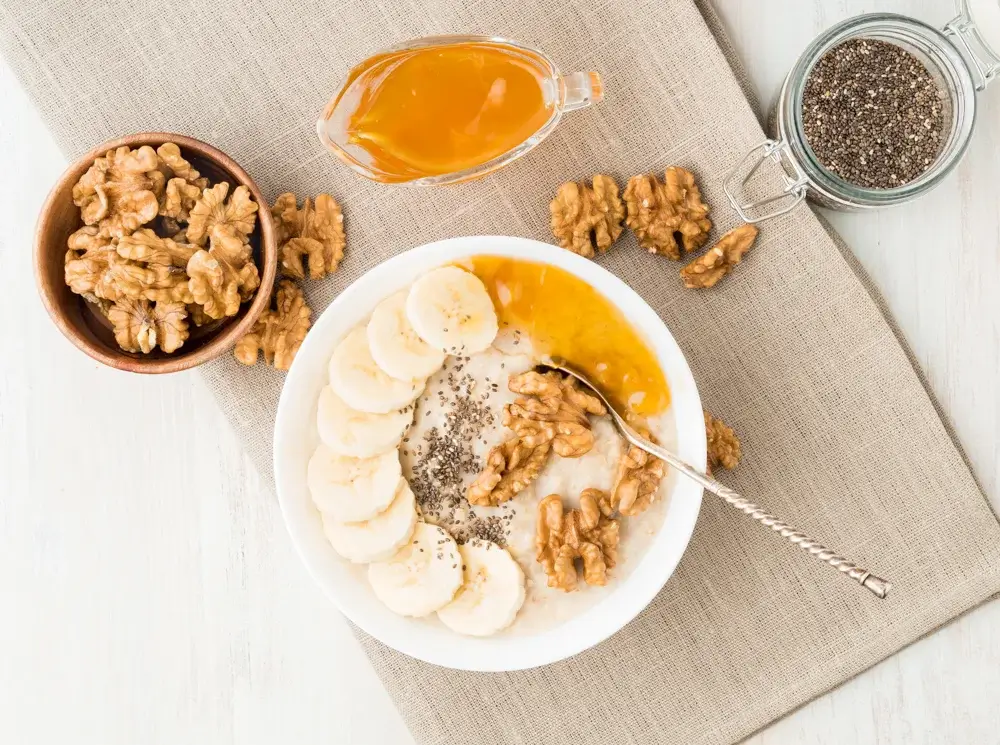
Breakfast: Overnight oats with chia seeds, sliced banana, and walnuts
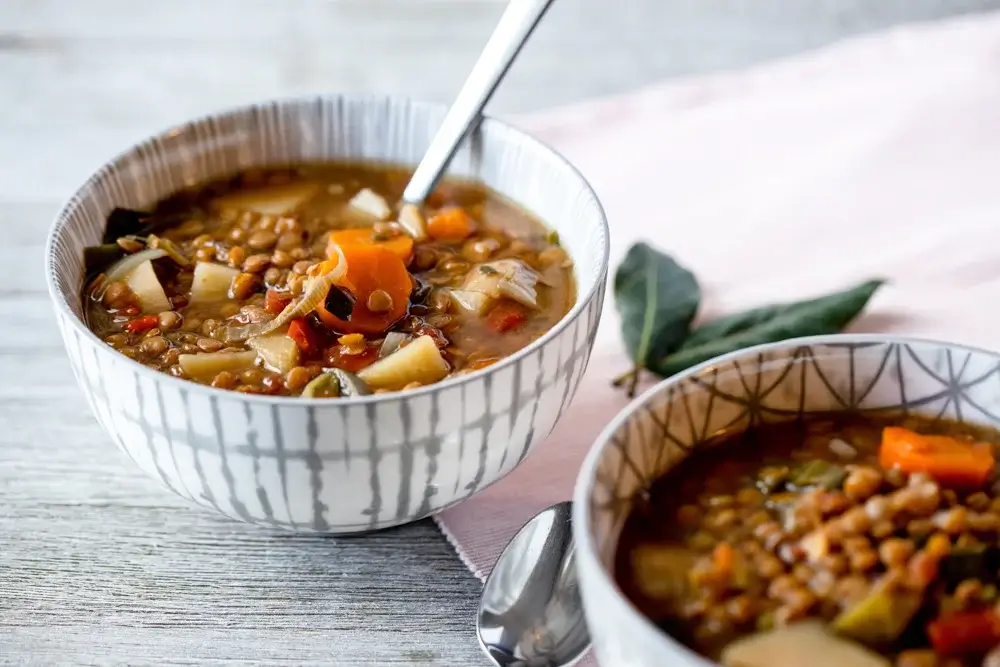
Lunch: Lentil soup with a side salad
Dinner: Grilled salmon with roasted broccoli and quinoa
Snack: Apple slices with almond butter
Day 2
Breakfast: Whole wheat toast with avocado and fried eggs
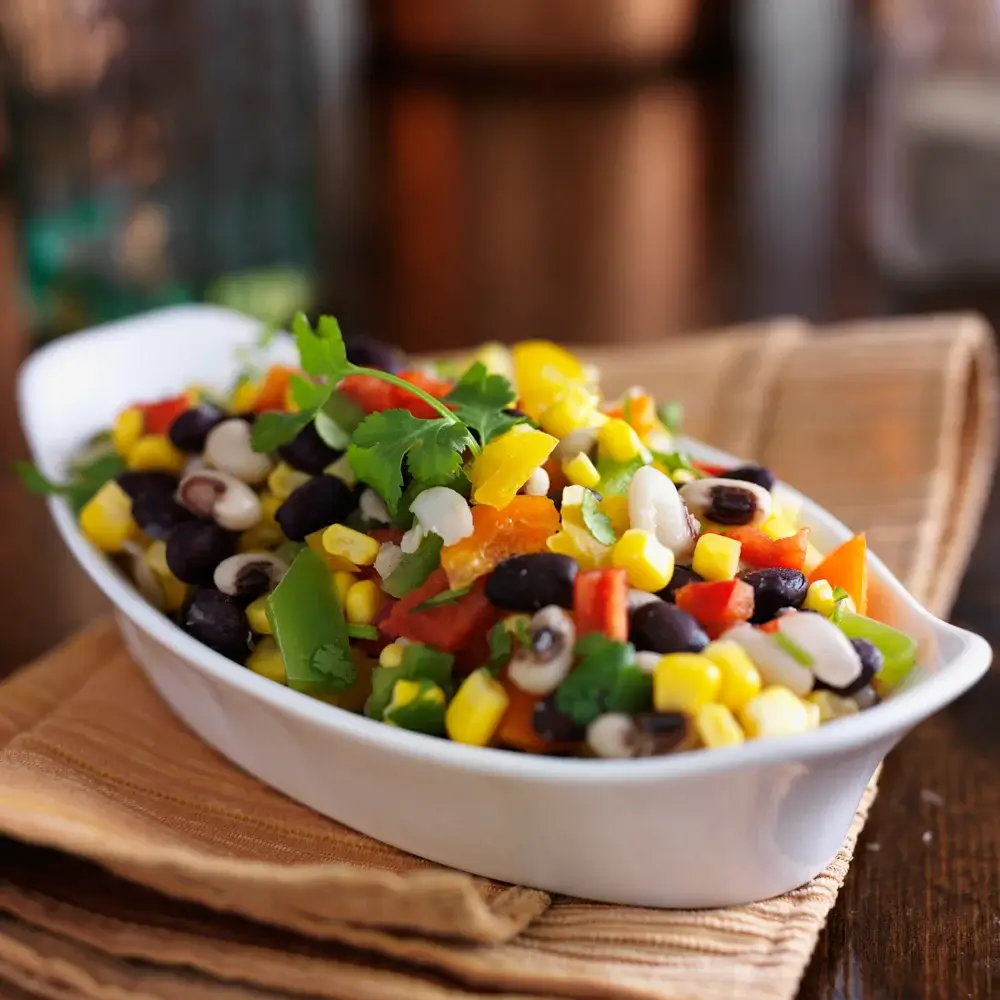
Lunch: Black bean & corn salad with brown rice
Dinner: Turkey chili loaded with kidney beans
Snack: A handful of almonds & raspberries
Day 3
Breakfast: Greek yogurt with mixed berries and ground flaxseed
Lunch: Chickpea salad sandwich on whole-grain bread
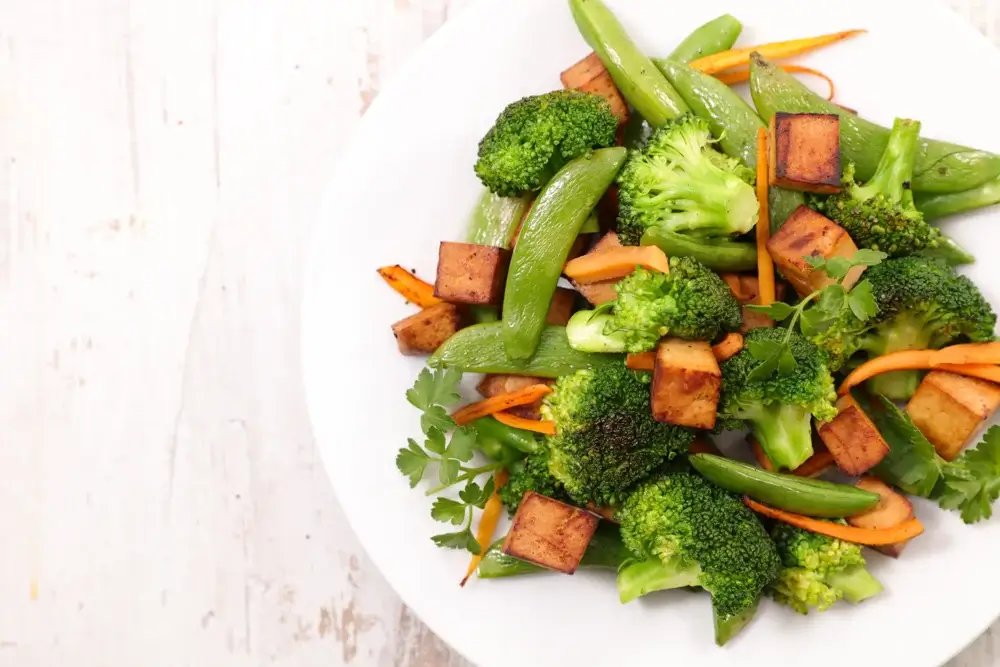
Dinner: Stir-fried tofu with broccoli, carrots, and brown rice
Snack: Baby carrots with hummus
Day 4
Breakfast: Oatmeal topped with pear slices and cinnamon
Lunch: Quinoa bowl with black beans, roasted sweet potato, and greens
Dinner: Baked chicken thighs with roasted Brussels sprouts and wild rice
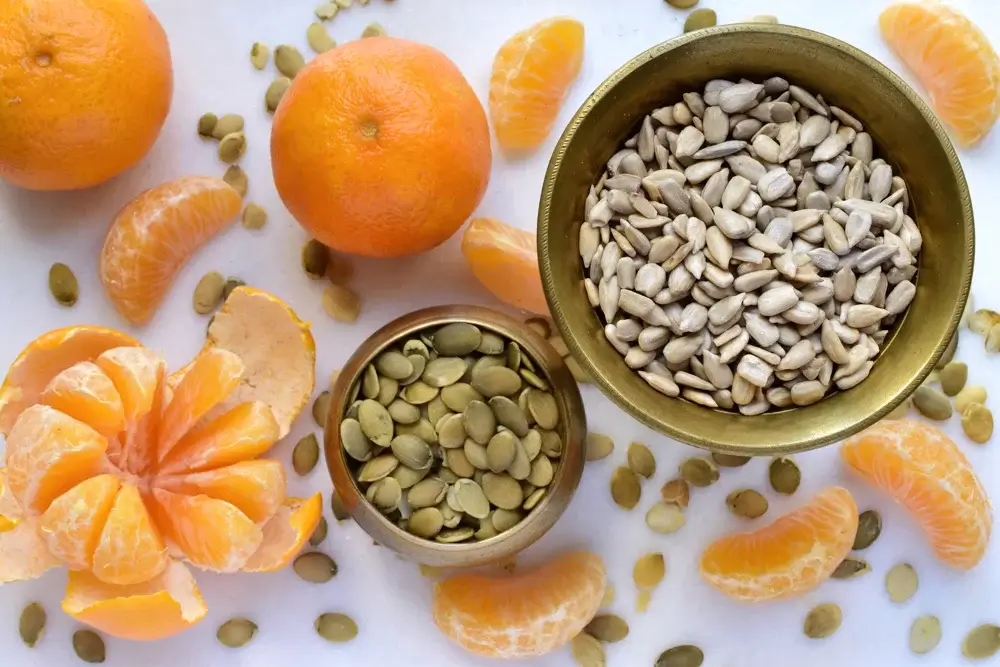
Snack: Orange and a small handful of pumpkin seeds
Day 5
Breakfast: Whole grain cereal with milk and sliced strawberries
Lunch: Vegetable and lentil soup with a whole wheat roll
Dinner: Whole wheat pasta with marinara, chickpeas, and spinach
Snack: Sliced cucumber with tzatziki
Day 6
Breakfast: Smoothie made with spinach, frozen berries, chia seeds, & oats
Lunch: Turkey and avocado wrap on a whole-grain tortilla with a side of beans
Dinner: Grilled shrimp tacos with black beans and cabbage slaw on corn tortillas
Snack: A pear and a handful of walnuts

Day 7
Breakfast: Scrambled eggs with sautéed spinach and whole-grain toast
Lunch: Mediterranean chickpea salad made with cucumber, tomato, and feta
Dinner: Baked cod with roasted cauliflower and farro
Snack: Trail mix made with almonds, pumpkin seeds, and dried apricots

This plan is meant to be a starting point. It’s far from a strict rule book, and you shouldn’t make it one. Feel free to swap any meal for something similar if it’s not exactly your thing.
The goal is just to go for beans, whole grains, fruit with the skin on, and vegetables at most meals.
And remember, if you’re new to eating this much fiber, ease into it and drink plenty of water along the way. Otherwise, all this will backfire on you.
Frequently Asked Questions
What foods are highest in fiber?
Legumes like lentils, black beans, and chickpeas, whole grains such as oats and quinoa, and things like chia seeds and raspberries are some of the highest fiber foods around.
Is it better to get soluble or insoluble fiber?
Neither is actually “better.” They simply serve different purposes. Specifically, soluble fiber is good for your blood sugar and cholesterol, while insoluble fiber is good for smooth digestion. You definitely want a mix of both.
Can too much fiber be bad for you?
Yes, increasing fiber too quickly, especially without enough water, can cause bloating, gas, or cramping. Go slow and stay hydrated.
How can I get 30 grams of fiber a day?
Focus on including a fiber source at every meal and snack, think beans at lunch, oats at breakfast, and a piece of fruit or handful of nuts as a snack. It adds up faster than you’d think.
Final Thoughts
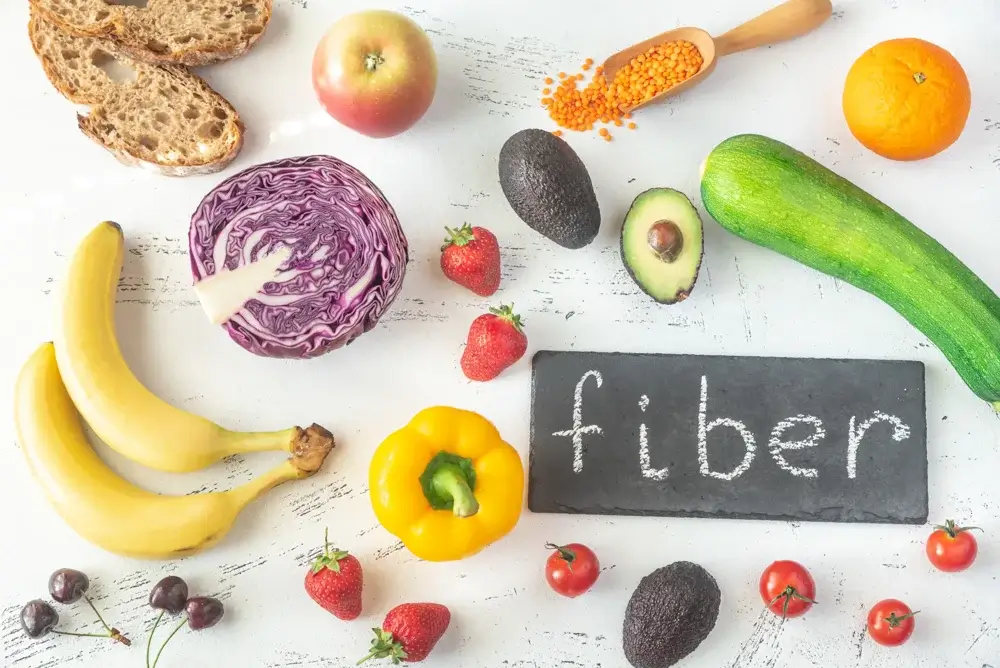
Adding more high-fiber foods to your diet isn’t all that complicated. Just start with a few simple swaps: whole grain instead of white, an apple instead of juice, beans added to your usual dinner, and gradually build from there.
Yes, you should definitely add more high-fiber foods to your diet. After all, it’s good for your gut, your blood sugar, and your overall mood and energy.
Until the next one, loves.