DASH Diet for Beginners 101: The Simple Guide to Eating Well and Feeling Better
If you’ve been told to “watch your blood pressure” and immediately pictured a life of bland chicken breast and zero flavor, take a breath. That’s not what this is.
The DASH diet (Dietary Approaches to Stop Hypertension) is one of the few diets that doctors, dietitians, and actual normal humans can actually agree on.
It’s not a fad that will disappear next week. The DASH diet has been studied for decades. It’s backed by the National Institutes of Health, and U.S. News & World Report has consistently ranked it among the top diets overall for years running, including again in 2026.
But here’s what really matters: it works, and it doesn’t ask you to suffer to get there. Exactly how I like my diets.
This guide walks you through everything you need to actually start the DASH diet for beginners, what it is, what to eat, how to build a plate, a full 7-day DASH diet meal plan, real benefits, and the mistakes that trip people up in the first few weeks.
What Exactly Is the DASH Diet?
DASH stands for Dietary Approaches to Stop Hypertension. And hypertension is just the medical term for high blood pressure, basically, when blood is pushing against your artery walls with more force than it should, day after day, wearing things down over time.
The diet was originally built to help people bring their blood pressure down through food instead of relying solely on medication. And it does that well. But somewhere along the way, it became something bigger than a hypertension plan. It’s now considered one of the most balanced, sustainable ways to eat for heart health in general, high blood pressure or not.
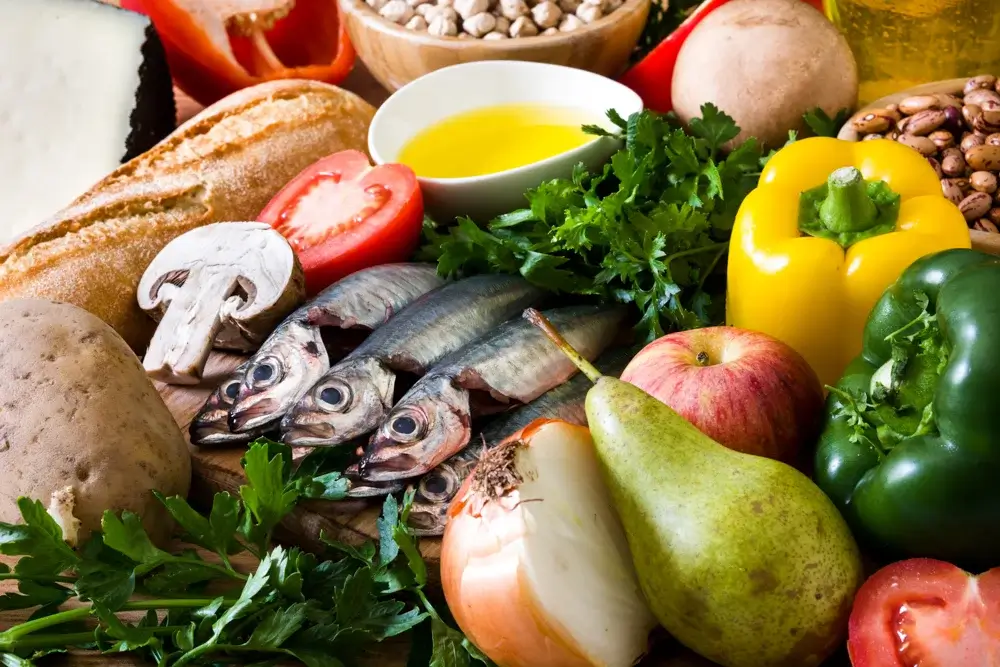
What to Eat on DASH Diet :
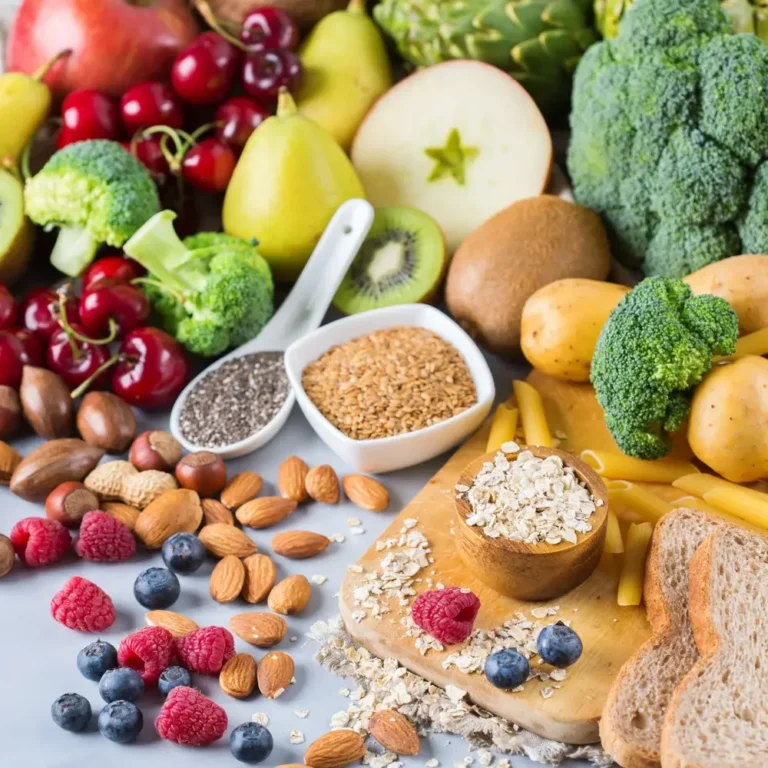
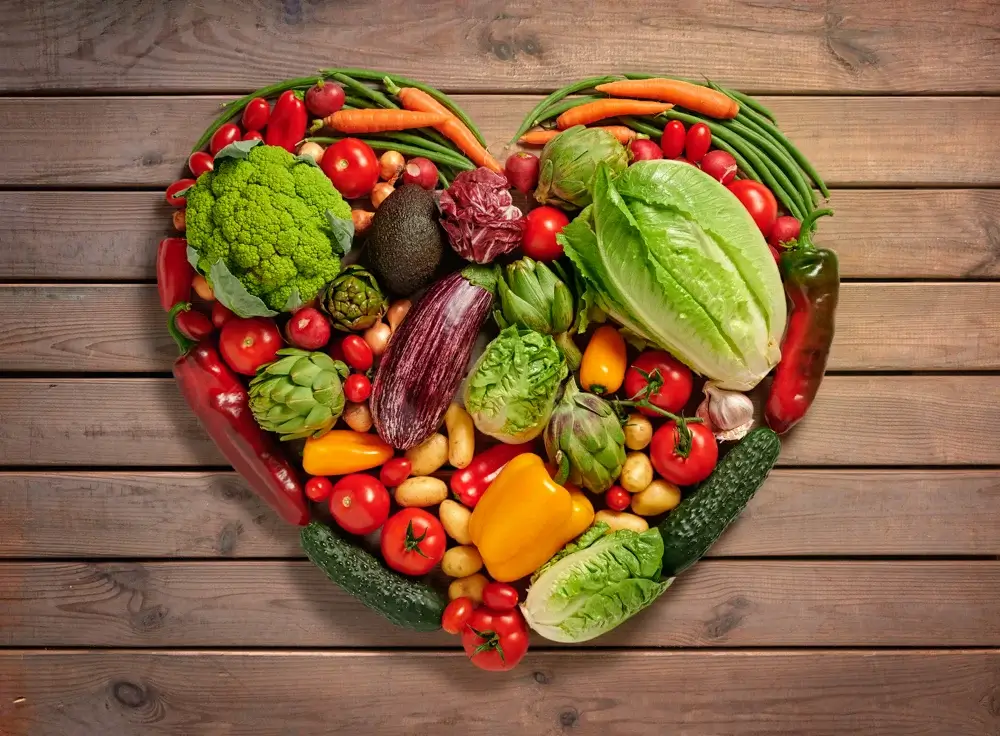
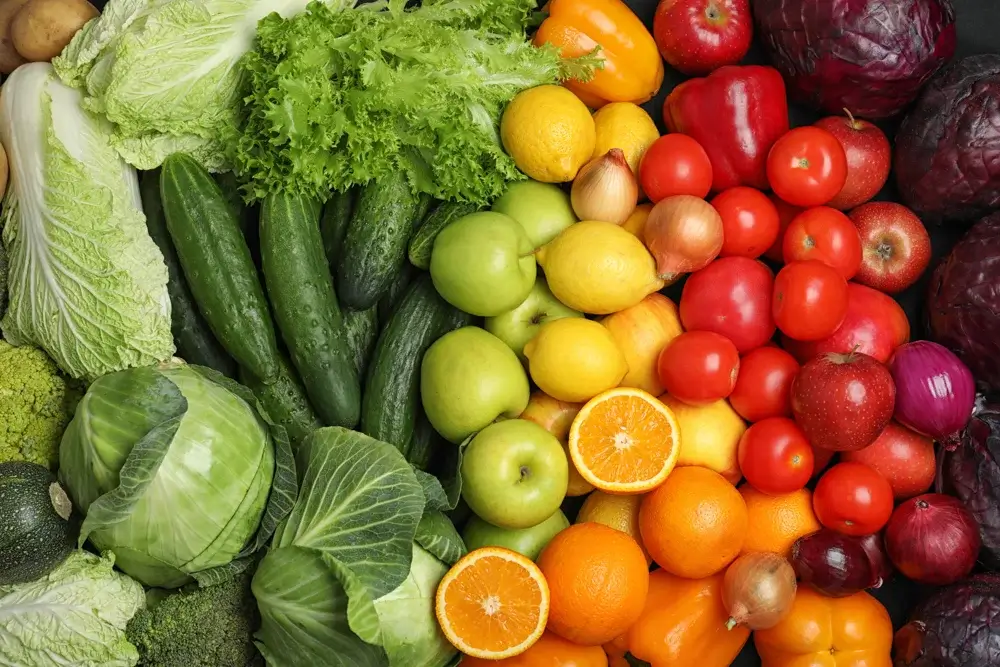
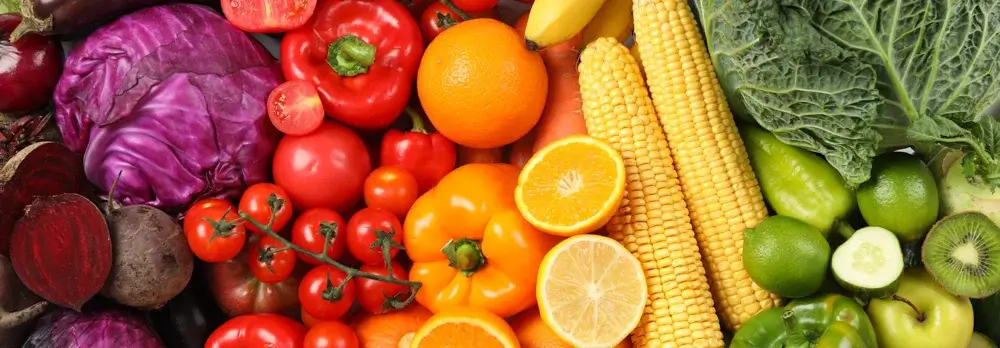
- Vegetables and fruit
- Whole grains
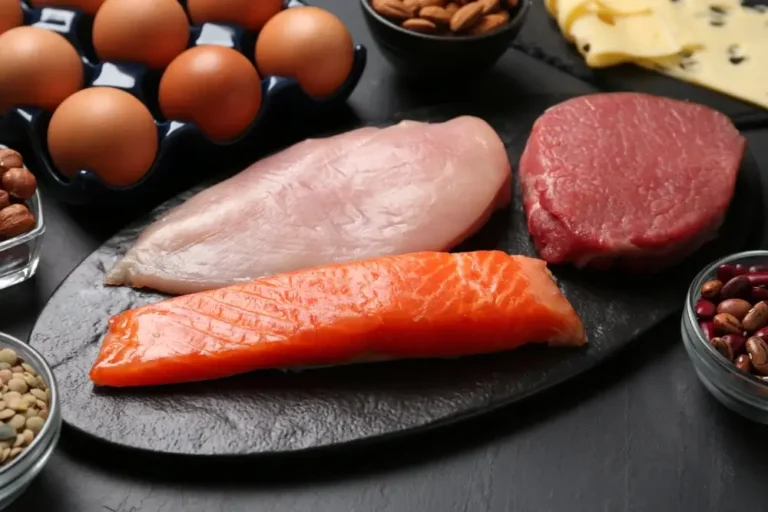
- Lean protein
- Low-fat or fat-free dairy
- Nuts, seeds, and healthy fats in reasonable amounts
What To Avoid on DASH Diet:
- Sodium
- Added sugar
- Saturated fat from things like fatty cuts of meat and full-fat processed foods
That’s really it. It’s that simple. There’s no point system, no macro tracking, and most importantly, no “banned” food list taped to your fridge. It’s all about an intentional change in what fills most of your plate, most of the time.
How Does the DASH Diet Actually Work in Your Body?
First, the DASH diet keeps blood sugar steadier. Basically, since DASH meals are built around fiber, protein, and healthy fats instead of refined carbs, they’re good for blood sugar. That combo slows digestion, which means fewer sugar spikes and fewer crashes an hour later that send you straight to the snack drawer.
Secondly, the DASH diet reduces sodium without cutting flavor. Nobody’s coming for your salt shaker. That’s not the sodium you should worry about. The real sodium problem actually hides in fast food, packaged sauces, deli meat, and the convenient boxed anything. And it’s actually quite easy. In fact, DASH quietly reduces those sources first, which is honestly where most people’s sodium is coming from anyway.
Thirdly, DASH diet foods are rich in minerals that your body actually needs. DASH diet foods are often full of potassium (from fruits and veggies), calcium (from dairy), and magnesium (from whole grains, nuts, and seeds). These work together to help your blood vessels relax and function the way they’re actually supposed to.
Lastly, the DASH diet is built to be kept, not white-knuckled through. The flexibility is the whole point. A diet you can’t maintain doesn’t help you six months from now. DASH was designed with that in mind from day one.
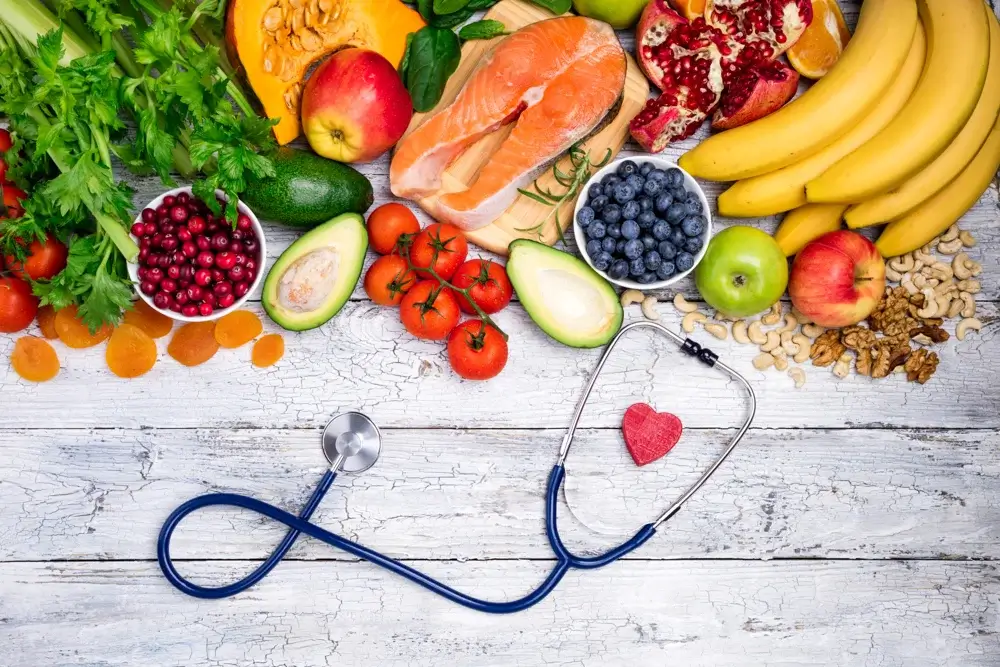
The DASH Diet Food List for Beginners: What to Eat (and What to Avoid)
Eat freely
Vegetables– kale, spinach, broccoli, bell peppers, carrots, zucchini, sweet potatoes. Aim to get some kind of veggie into nearly every meal.
Fruit- berries, apples, oranges, bananas, grapes, melon. Whole fruit over juice, always. You keep the fiber that way, and fiber is doing a lot of the heavy lifting in this particular diet.
Whole grains- oats, quinoa, brown rice, whole-wheat bread or pasta. These keep you full longer and steady your energy through the day.
Lean protein- chicken, turkey, fish, eggs, beans, lentils. Red meat isn’t exactly banned. Just remember, it’s not an everyday default anymore.
Low-fat dairy– milk, plain yogurt, kefir. Unsweetened, where you can manage it.
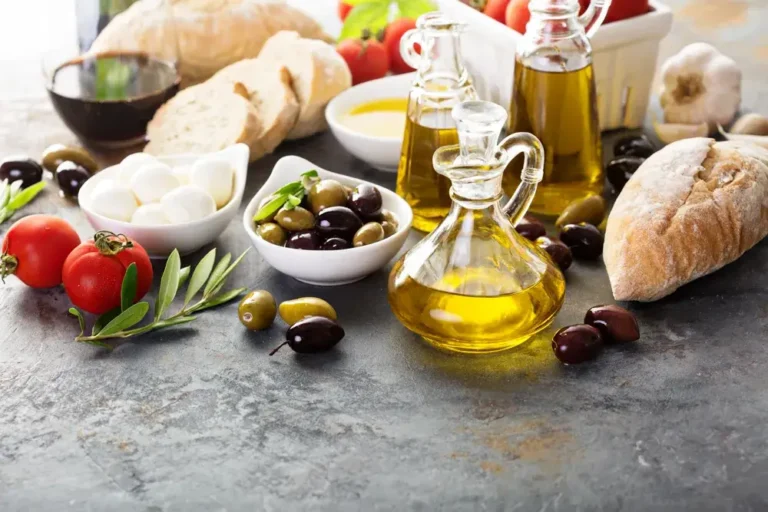
Healthy fats- olive oil, avocado, nuts, seeds. Fat isn’t the bad guy here; it keeps you satisfied and supports hormone health.
Avoid
- Chips, crackers, and other heavily processed snacks
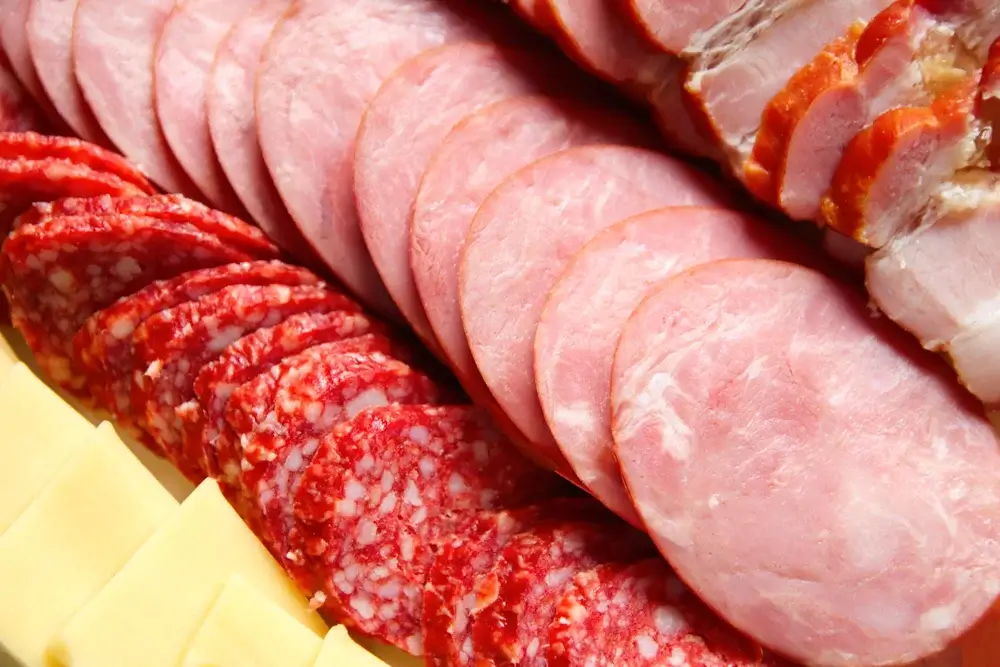
- Deli meat and sausage
- Sugary drinks and sodas
- Fast food and takeout
- Bottled sauces and dressings (sodium hides here more than almost anywhere else)
The official sodium target is under 2,300 mg a day, and studies show dropping to around 1,500 mg brings even bigger results for blood pressure. You don’t need to calculate that daily, though, just cooking more from scratch and reading labels on the packaged stuff you do buy gets you most of the way there without a spreadsheet( though you should definitely get our meal planner spreadsheet)
How to Build a DASH Plate
Forget counting anything. Just picture your plate divided like this:
Half- vegetables and/or fruit
A quarter- lean protein
A quarter- whole grains
A drizzle or small handful- healthy fat
That’s the whole formula. Every meal, every day, more or less. It’s boring in the best way, because boring is repeatable. And we want repeatable, so we stick to the DASH diet for longer.
Your 7-Day DASH Diet Meal Plan for Beginners
Here’s a full week of DASH diet meals to get you started. Portions here are built around roughly 2,000 calories a day, adjust up or down based on your own needs, and swap anything for a similar option if it’s not exactly your thing. The goal is the pattern, not perfection.
Day 1
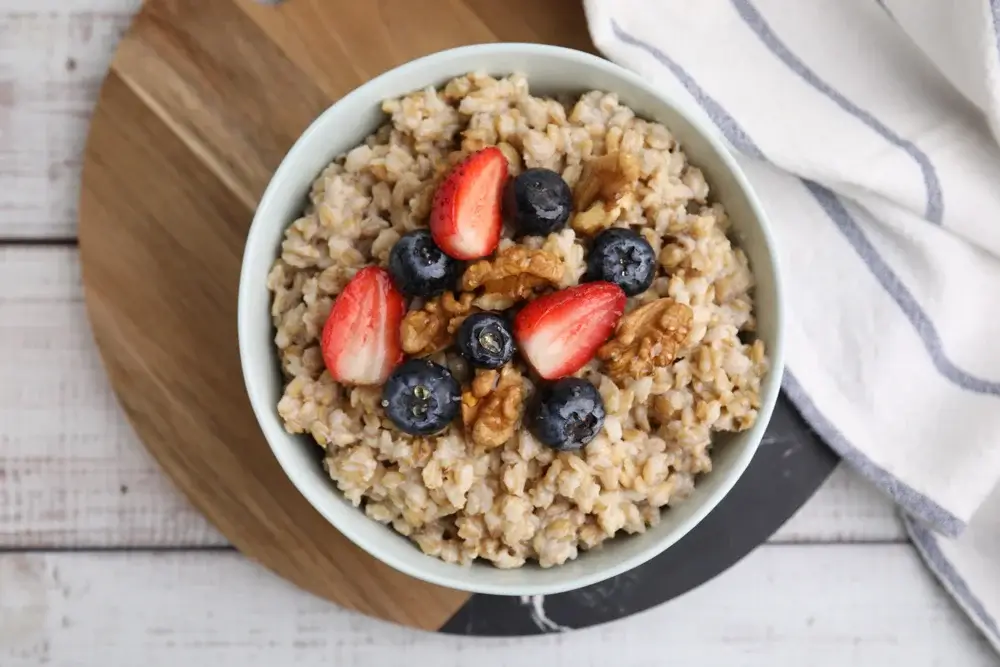
Breakfast: Oatmeal topped with berries and a spoonful of chopped walnuts
Lunch: Grilled chicken over mixed greens with olive oil and lemon dressing
Dinner: Baked salmon, roasted broccoli, and quinoa
Snack: Plain Greek yogurt with sliced peaches
Day 2
Breakfast: Scrambled eggs with spinach and a slice of whole-grain toast
Lunch: Turkey and avocado wrap on a whole-wheat tortilla with carrot sticks
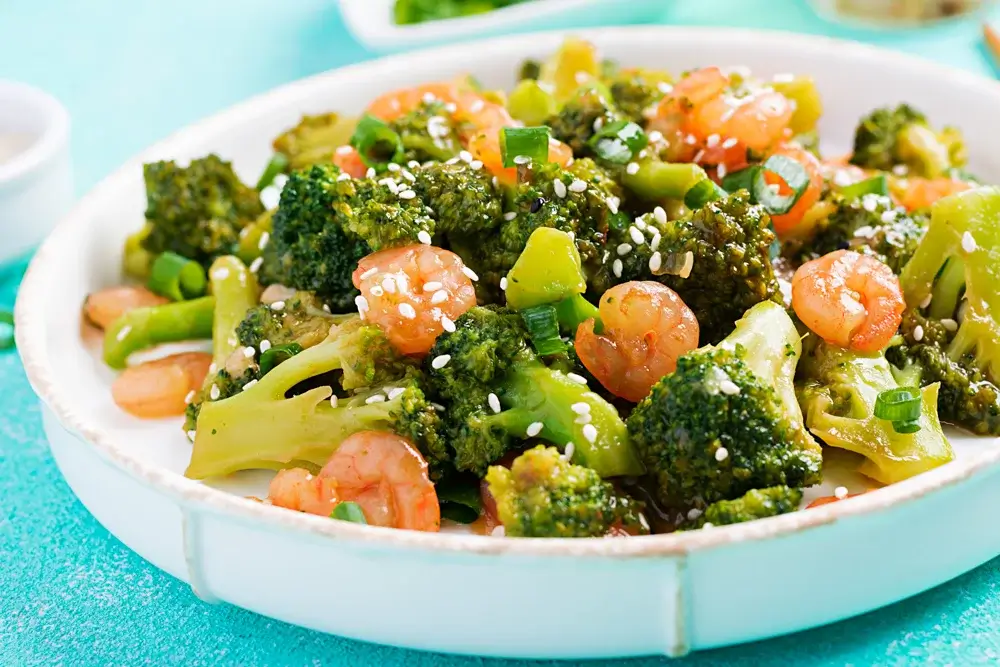
Dinner: Stir-fried tofu or shrimp with mixed vegetables over brown rice
Snack: Apple slices with a small handful of almonds
Day 3
Breakfast: Greek yogurt parfait with granola and fresh berries
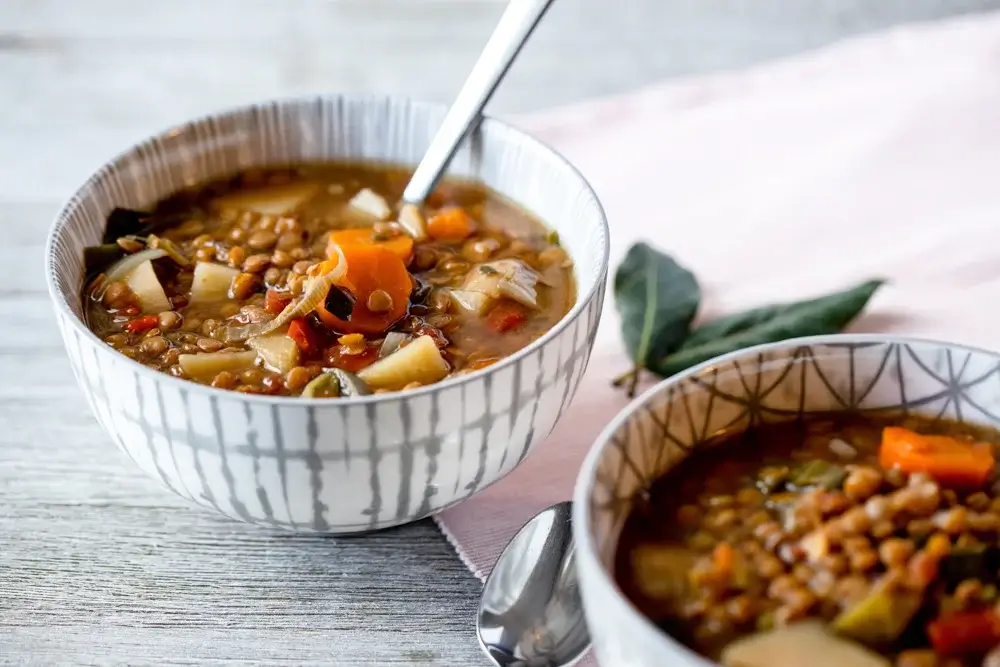
Lunch: Lentil soup with a side salad
Dinner: Grilled lean steak, roasted sweet potato, and sautéed green beans
Snack: Unsalted popcorn with a sprinkle of nutritional yeast
Day 4
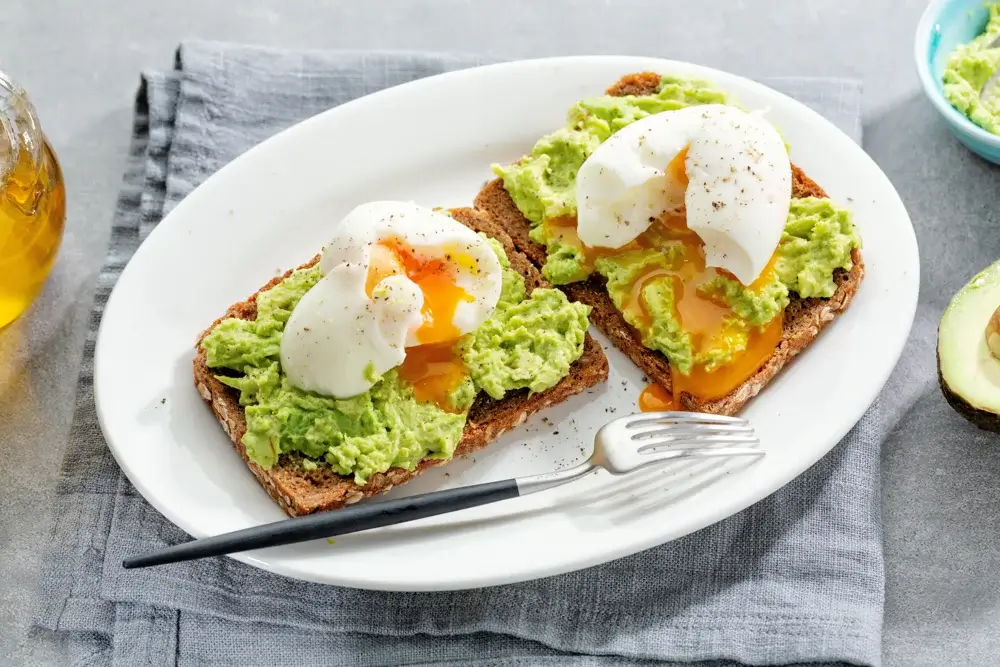
Breakfast: Whole-grain toast with mashed avocado and a poached egg
Lunch: Quinoa bowl with black beans, corn, tomatoes, and lime
Dinner: Baked chicken thighs with roasted cauliflower and wild rice
Snack: Sliced cucumber and hummus
Day 5
Breakfast: Smoothie with spinach, banana, unsweetened almond milk, and flaxseed
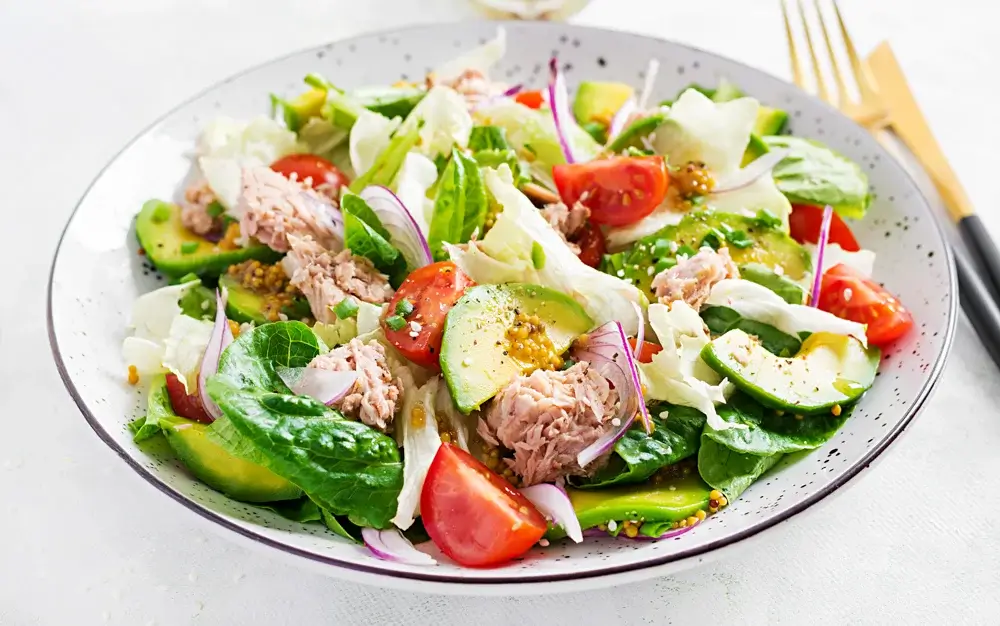
Lunch: Tuna salad (Greek yogurt instead of mayo) over greens with whole-grain crackers
Dinner: Whole-wheat pasta with turkey meatballs and marinara
Snack: A handful of mixed unsalted nuts
Day 6
Breakfast: Overnight oats with chia seeds and diced mango
Lunch: Grilled veggie and hummus sandwich on whole-grain bread
Dinner: Baked cod, roasted Brussels sprouts, and mashed sweet potato
Snack: Low-fat cottage cheese with pineapple
Day 7
Breakfast: Veggie omelet with mushrooms, peppers, and onion
Lunch: Chickpea salad with cucumber, tomato, feta, and olive oil
Dinner: Grilled shrimp tacos on corn tortillas with cabbage slaw
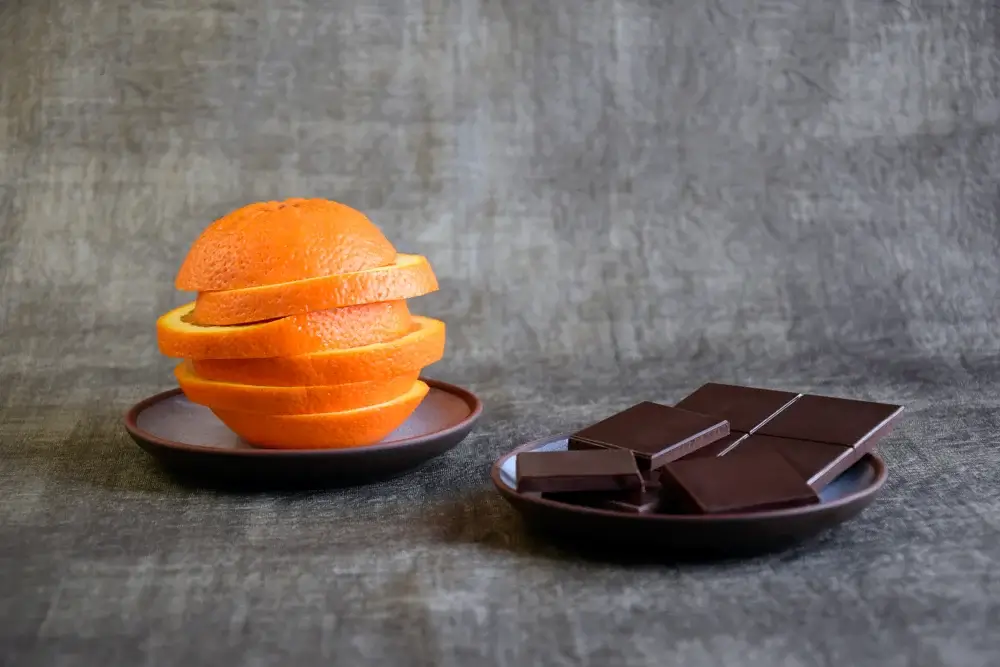
Snack: Orange slices and a small square of dark chocolate
Remember, when you can, season everything generously with herbs, garlic, lemon, and spices instead of salt. This is genuinely the easiest way to keep meals from tasting like “diet food” while you’re still adjusting to exactly what’s expected of you on the DASH diet.
Meal Prep Tips to Make the DASH Diet for Beginners Actually Stick
Cook grains and protein in batches when you can. For instance, a pot of quinoa or brown rice and a tray of baked chicken on Sunday already covers you for half the week.
Pre-wash and chop your produce on Sundays. Simply put, if vegetables are ready to grab, you’ll actually reach for them. If they’re sitting whole in the crisper drawer, they won’t get touched, that’s just how it goes.
Stock up on herbs and low-sodium spices. Keep garlic, lemons, fresh herbs, and a couple of low-sodium spice blends within reach. This single habit does more to keep you on DASH long-term than almost anything else. It’s simple, when you stock up on these, you effectively reduce sodium.
Read labels for sodium, not just calories. This is super important on the DASH diet. In fact, two similar-looking products can differ by hundreds of milligrams of sodium. It’s worth the extra few minutes at the grocery store.
What Are the Real Benefits of the DASH Diet?
- Lower blood pressure, often quickly. Research consistently shows measurable drops in blood pressure within just a couple of weeks of consistent DASH eating.
2. Weight management that tends to stick. DASH isn’t marketed as a weight loss plan, but the combination of fiber, protein, and fewer ultra-processed foods naturally leads a lot of people to lose weight, and actually keep it off, which is the part that usually matters more.
3. Better cholesterol numbers. Several studies tie DASH eating to improvements in LDL (“bad”) cholesterol, which matters just as much for heart health as blood pressure does.
4. Steadier energy and better digestion. More whole foods and fiber tend to mean fewer energy crashes and a digestive system that’s just… better.
5. Lower stress around food, period. The DASH diet is a pretty straightforward eating plan. So, no long forbidden list. No cheat days. And most importantly, no “starting over” after one off meal. That alone removes a huge chunk of the mental noise that makes most diets fail.
How to Actually Start the DASH Diet for Beginners, Step by Step
Step 1- Start with one meal. Just one. Build it around the plate method above, and let the rest of your day stay normal for now.
Step 2- Add before you subtract. Instead of asking what to cut, ask what you can add. A vegetable here, a swap to whole grain there. Addition feels a lot less like punishment and a whole lot easier to embrace.
Step 3- Make two or three small swaps this week. Things like white rice to brown rice, soda to water with lemon, or chips to a handful of almonds.
Step 4- Bring sodium down slowly. Dropping it all at once makes food taste flat and will most definitely kill your motivation to keep going. Simply reduce it slowly while trying out more herbs, spices, and citrus. The idea here is to allow your taste buds to recalibrate over a few weeks.
Mistakes Beginners Make on the DASH Diet (and How to Dodge Them)
Trying to be perfect on day one. Aim for most meals, most days, not every single one. Progress beats perfection every time here.
Cutting sodium too aggressively, too fast. This is the #1 reason people quit in week one. Ease off on it gradually instead.
Expecting things to change immediately. The DASH diet is a slow burn. It is the furthest thing from a crash diet. Blood pressure, digestion, and energy often improve well before you notice the change on the scale. Weight loss just takes time, but the changes in your body begin a few weeks into the diet.
So, Is the DASH Diet Right for You?
If you want a way of eating that’s super realistic, flexible, and most importantly, doesn’t punish you for one messy day, DASH is a strong fit.
Indeed, it’s particularly useful if blood pressure or heart health is already on your mind, but honestly, it works just as well for anyone who’s looking to actually eat healthy and live a long, healthy life.
And the good news? There’s no finish line here, no “day 30” you’re racing toward. That might sound like bad news, but it’s not. The DASH diet is basically an eating pattern that’s easy enough to actually keep doing, which, at the end of the day, is the only kind of diet that ever really works.
FAQ: DASH Diet for Beginners
How fast does the DASH diet actually lower blood pressure?
Many people see measurable changes within two to four weeks of consistent DASH eating. However, keep in mind that results vary by individual and how closely you actually follow sodium and whole-food goals of the DASH diet.
Can I lose weight on the DASH diet?
Yes, though it isn’t designed specifically as a weight loss plan. Many people lose weight naturally on the DASH diet due to higher fiber and protein intake and fewer processed foods.
Is the DASH diet the same as low-sodium eating?
Not exactly. Sodium reduction is just one piece of it. DASH diet also emphasizes specific nutrients like potassium, calcium, magnesium, and fiber that work together to support blood pressure and heart health.
Do I have to give up salt completely on the DASH diet?
No. The goal is staying under roughly 2,300 mg of sodium a day (or 1,500 mg for stronger results), not eliminating it. Use herbs, spices, and citrus to help fill the flavor gap as you reduce sodium.
Is DASH hard to follow if I’m not cooking every meal?
It’s easier with some home cooking, but plenty of restaurant and grocery-store options fit the pattern too. Grilled proteins, salads, and whole-grain sides are widely available almost anywhere.