Mediterranean Diet for Beginners+ 7-Day Meal Plan
If you have been trying to find a way to eat better without obsessive tracking, guilt trips, or an endless list of foods you can never touch again, then the Mediterranean diet for beginners guide is exactly what you need.
It is the furthest thing from a fad diet. The Mediterranean diet is deeply rooted in centuries-old habits from places where people have historically lived long, vibrant, and healthy lives, such as Greece, Italy, and Spain. That is no coincidence. These communities were onto something the rest of the world was slow to notice.
What makes this diet work is its intentionality and flexibility. The Mediterranean diet prioritizes balance, and trust me, once you start eating this way, everything else seems easier.
This simplified guide covers it all. You will find the key health benefits of the Mediterranean diet, a full breakdown of what to eat and what not to eat, your kitchen essentials, and a 7-day Mediterranean diet meal plan that you can start right away.
What Is the Mediterranean Diet for Beginners?
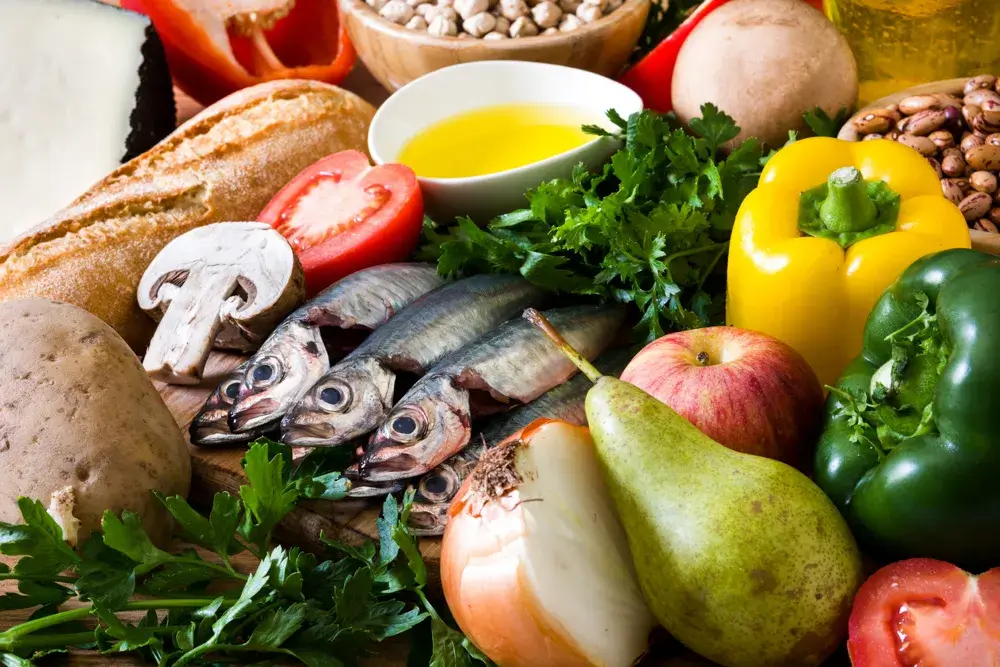
The Mediterranean diet is a way of eating built around fresh, whole foods. These foods include fruits, vegetables, lean proteins, healthy fats, whole grains, and legumes.
Added sugars, processed foods, and refined grains are minimized, not because of rigid rules, but because real, whole foods naturally take up more space on your plate.
So, what makes the Mediterranean diet so different from other diets? The mindset shift that comes from its simplicity. This diet encourages you to slow down and treat food as something worth savoring and enjoying. This shift alone can completely transform your relationship with food.
So whether your goal is to manage your weight, boost your heart health, improve your energy, or heal your relationship with food, the Mediterranean diet meets you where you are.
Mediterranean Diet Pantry Staples: How To Set Your Kitchen Up
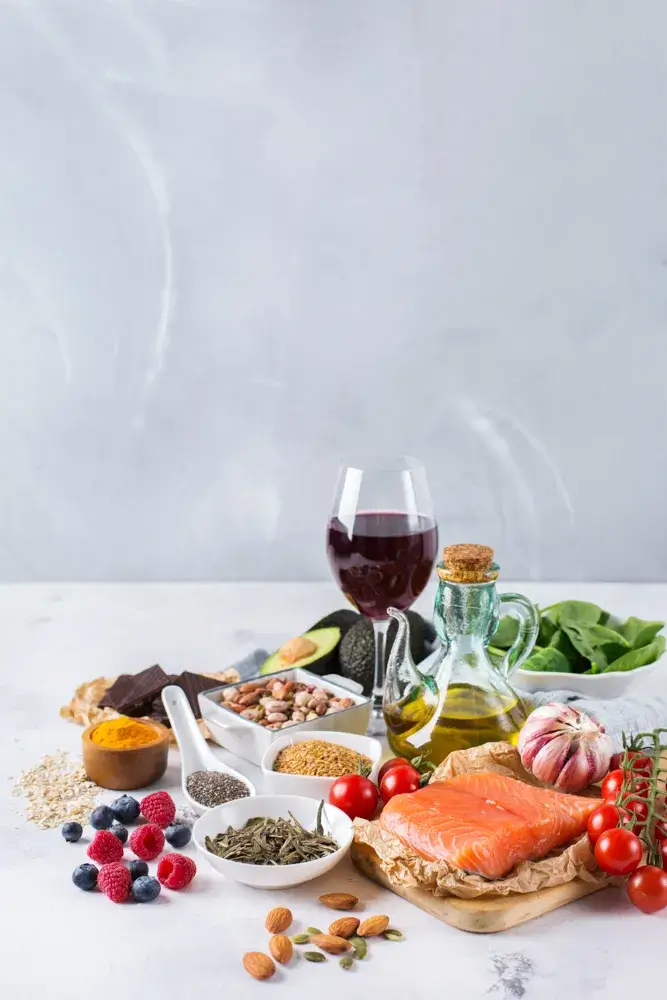
Stocking your pantry with the right basics makes it easier to prepare meals and follow through with your meal plan. It reduces the friction of decision-making and helps you stay consistent and disciplined without overthinking or bargaining with yourself.
Here’s exactly what to stock up in your kitchen.
- Whole grains- Brown rice, quinoa, farro, oats, whole wheat pasta, and barley. These are your meal foundations, and they keep you satisfied.
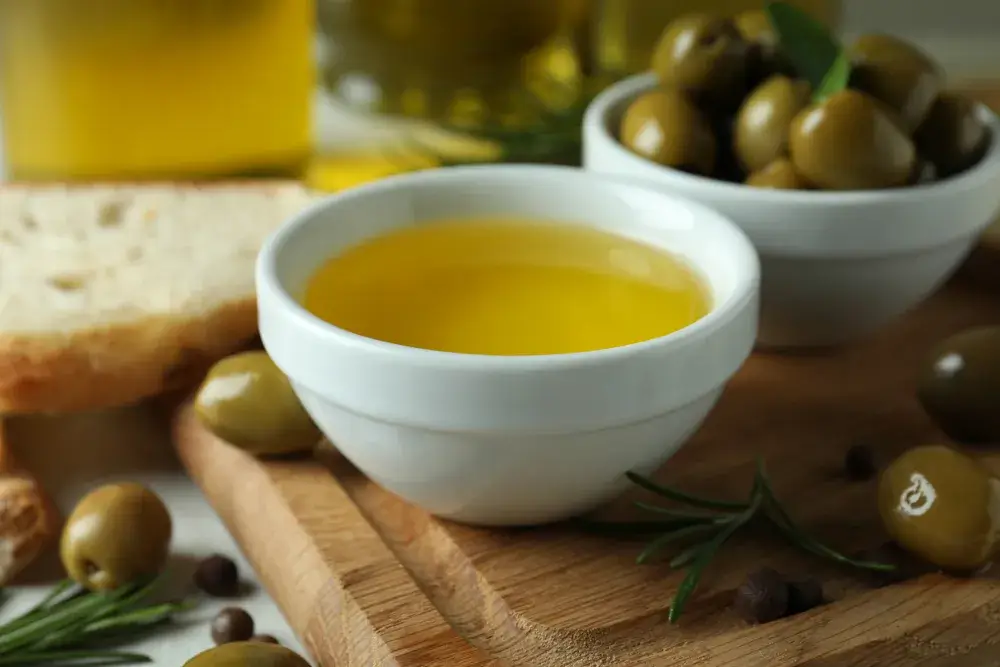
- Extra virgin olive oil- This is the backbone of this entire diet, and a non-negotiable. Use it for cooking, dressings, and drizzling over almost everything.
- Beans and legumes- Chickpeas, lentils, black beans, and white beans. They are incredibly budget-friendly, versatile, high in fiber, and rich in protein.
- Nuts and seeds- Cashews, almonds, walnuts, chia seeds, and pumpkin and sunflower seeds. They are perfect for adding texture to meals and make for great snacks.
- Herbs and spices- Basil, oregano, cumin, rosemary, paprika, cinnamon, and cloves. They make simple ingredients taste incredible without heavily relying on salt, which makes them a secret weapon in Mediterranean cooking.
Mediterranean Diet Benefits for Beginners. Is it Worth It? And why?
The research behind this diet is genuinely impressive, and the evidence keeps growing stronger. Here’s why:
1. It May Help You Live Longer and Better
People who follow the Mediterranean diet consistently tend to live healthier and longer lives. Yes, not just longer in years, but in quality of life. For most people, if not all people, the goal as they age is to have more energy, fewer or no chronic diseases, and most importantly, a strong, self-sufficient body. This diet is built for exactly that.
It May Support Your Mental Health
This benefit surprises most people. The omega -3 fatty acids in fatty fish are essential for brain health, and have been linked to lower rates of cognitive decline and depression. What you eat affects not only how you feel physically but also how you feel mentally. The Mediterranean diet takes that connection seriously.
Its Linked to a lower risk of Certain Cancers.
The heavy emphasis on anti-inflammatory healthy fats and antioxidant-rich fruits and vegetables gives your body consistent protection against cellular damage. Research links the Mediterranean diet to a lower risk of some cancers, including breast and digestive cancers. No diet can guarantee protection, but this kind of long-term benefit is hard to dismiss.
It May Help Lower Your Stroke Risk
Fruits, vegetables, and whole grains are high in fiber and antioxidants, which support healthy blood vessel function and blood pressure. These work quietly in the background of your daily life, and directly lower your stroke risk.
It’s s Incredible for Your Heart.
The healthy fats in fish, nuts, olive oil, and seeds can help lower “bad” (LDL) cholesterol while supporting “good” (HDL) cholesterol, which is one of the most helpful nutritional strategies for long-term heart health. Studies consistently show meaningful reductions in heart disease risk, and that alone should be reason enough for most people to start.
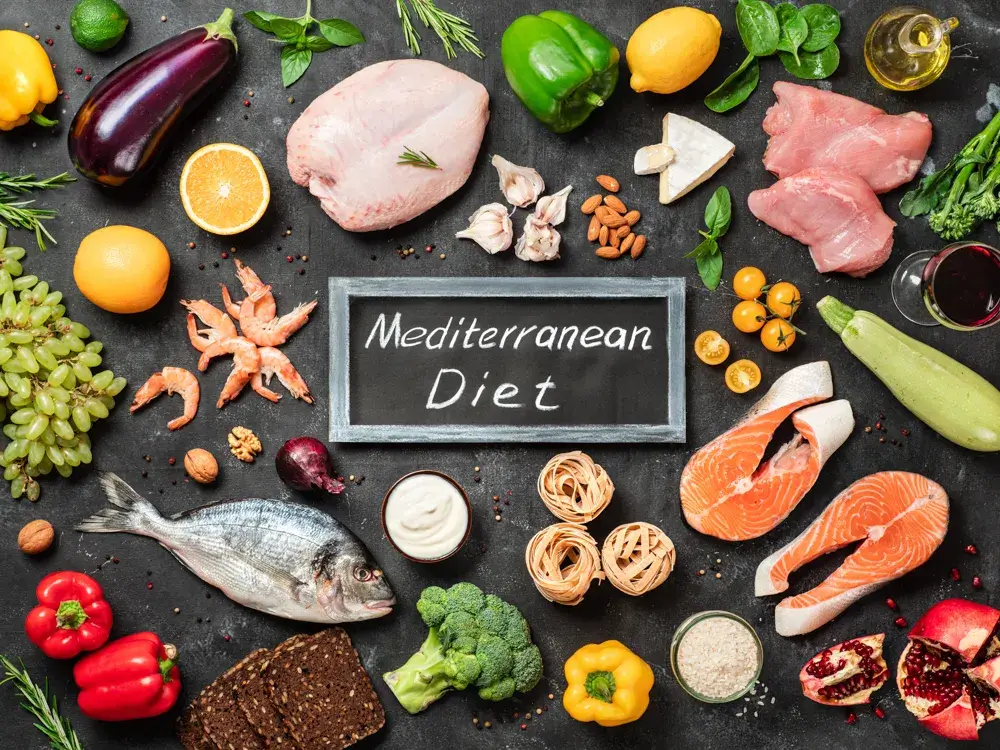
Mediterranean Diet Food List For Beginners: What To Eat on the Mediterranean Diet & What to Minimize
This food list comprises simple and consistent food choices that are easy to follow:
Eat Plenty of
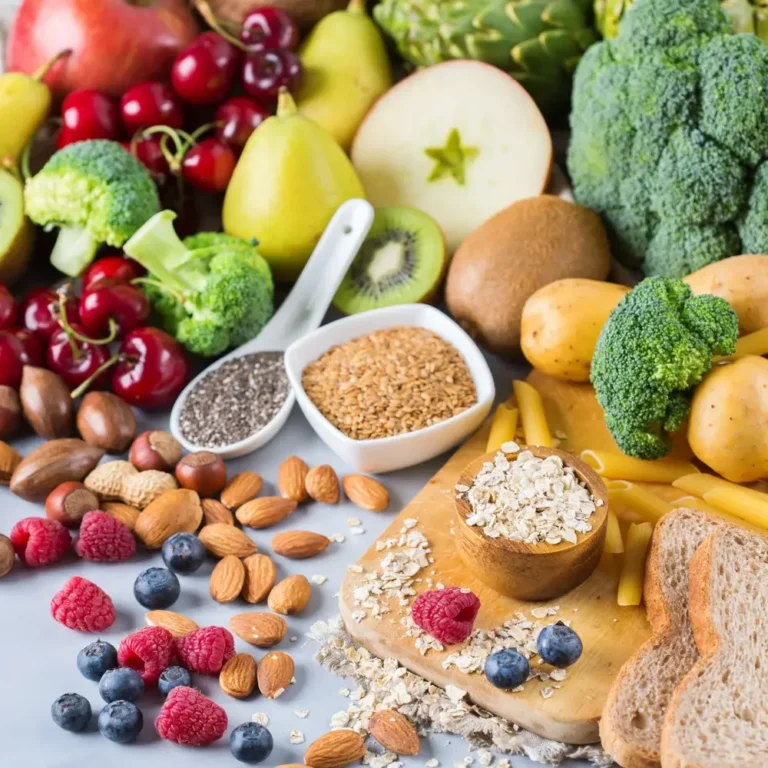
- Fruits and vegetables-These should be the foundation of every meal, not an afterthought on the side of your plate. You should aim for at least five servings every single day.
- Whole grains- Make brown rice, quinoa, whole wheat pasta, and oats your default instead of refined carbs, and you’ll notice the difference in your health much sooner. Thanks to the fiber, you’ll feel fuller, and your digestion will run more smoothly.
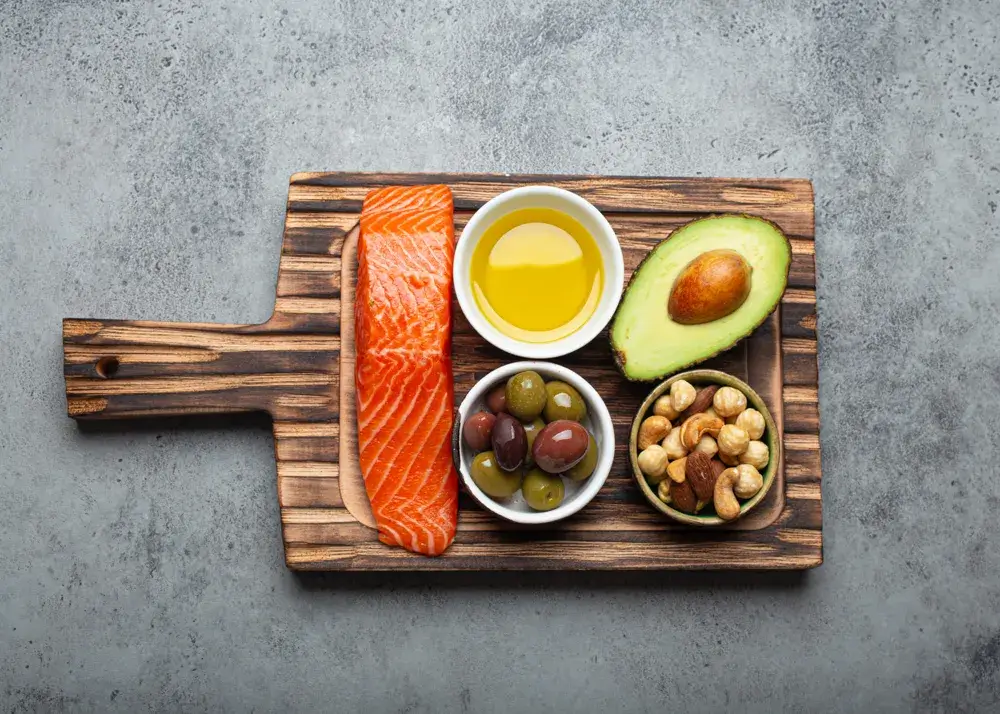
- Healthy fats- Contrary to popular belief, fat is not the enemy. Extra virgin olive oil, avocado, and nuts help balance your hormones, add flavor to your food, and most importantly, keep you satisfied.
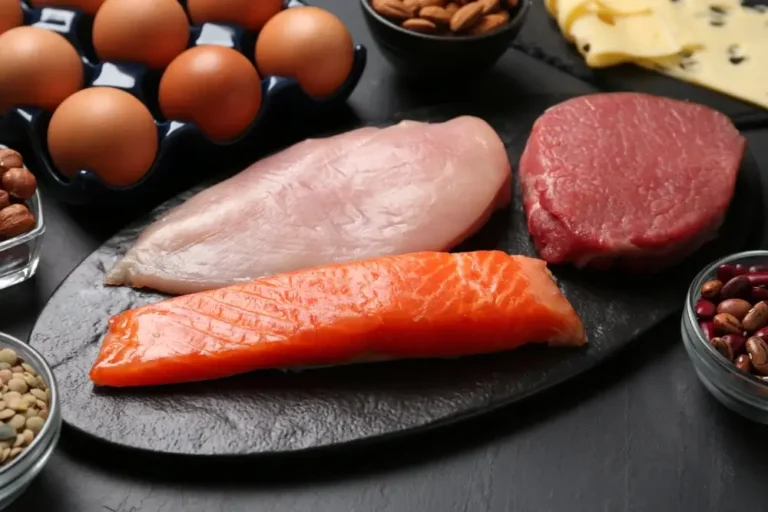
- Lean Proteins- Rotating between seafood, fish, poultry, eggs, beans, lentils, and chickpeas will keep your hunger in check, and support muscle maintenance or growth.
- Dairy in moderation- Go for lower-fat versions when it comes to dairy. Popular options on the Mediterranean diet include Greek yogurt and cheese. Getting them in lower-fat versions will allow you to enjoy them regularly without guilt.
- Herbs and spices constantly- Oregano, basil, rosemary, cumin, paprika, and cloves add natural flavor so you don’t have to keep reaching for the salt.
Minimize
- Processed and packaged foods- They are loaded with unnecessary additives, sodium, sugar, and unhealthy fats that harm your body.
- Refined grains- Swap white pasta, white rice, and white bread for whole grains like brown rice and quinoa. Refined grains lack fiber and offer little nutritional value. They have no place on your plate.
- Sugary drinks- Energy drinks, sodas, and sweetened teas spike your blood sugar and disrupt your hormones. They are full of empty calories and generally work against your health goals.
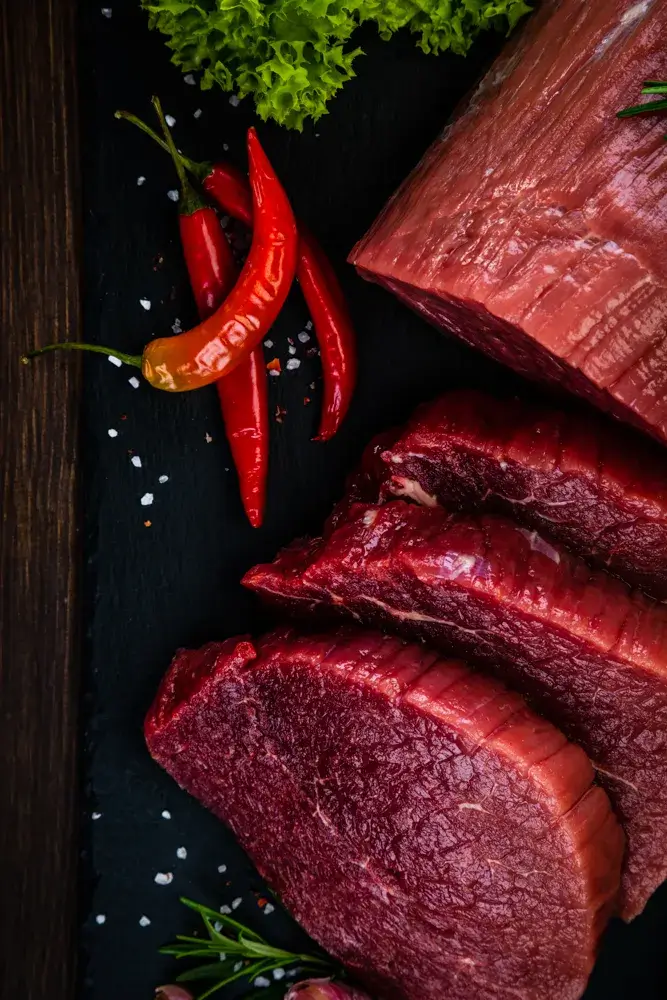
- Excessive Red Meat- Keep it occasional and moderate. You don’t have to cut it out completely.
- High-fat dairy- Go for lower-fat options.
7-Day Mediterranean Diet Meal Plan for Beginners
The whole point of this 7-day Mediterranean diet meal plan is to make it easier for you to swap meals around, adjust portions to suit your household, and make it easily practical in your real life. Use this as a flexible starting point:
Day 1
Breakfast: Smoothie bowl with Greek yoghurt, mixed berries, banana, and chia seeds
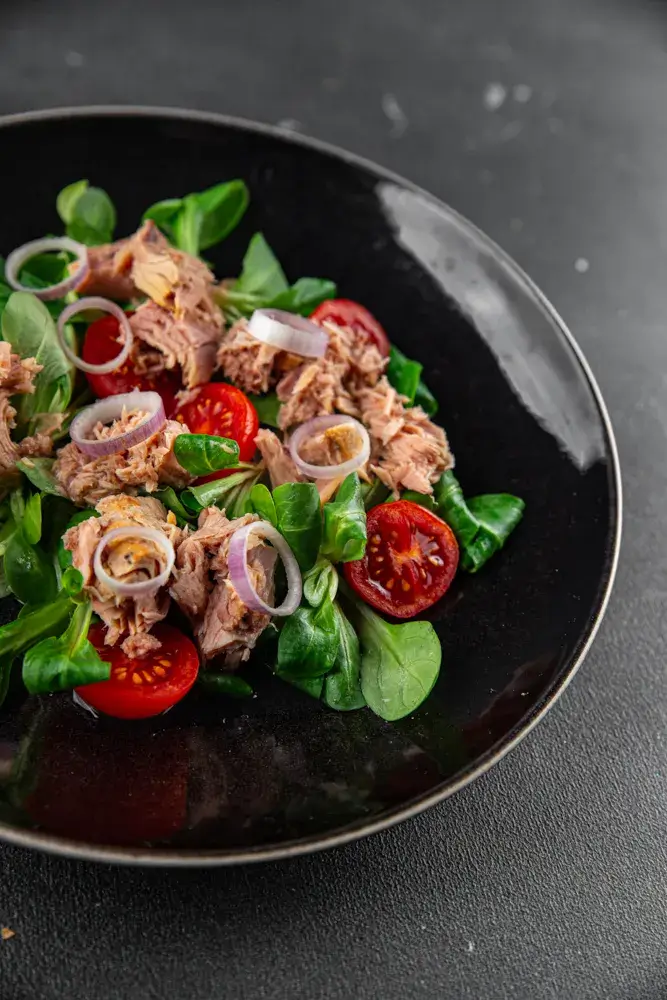
Lunch: Tuna salad with arugula, cucumbers, tomatoes, and olive oil dressing
Snack: A handful of mixed nuts
Dinner: Stuffed bell peppers with quinoa, fresh herbs, and feta
Day 2
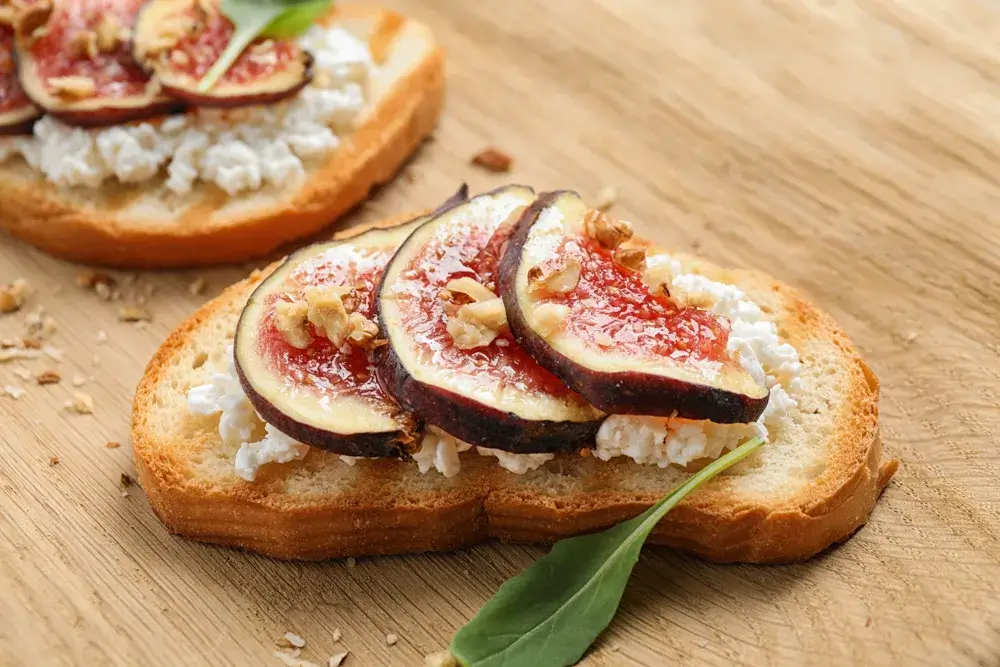
Breakfast: Ricotta toast with sliced figs and a drizzle of honey
Lunch: Mediterranean grain bowl with barley, chickpeas, roasted vegetables, and tahini drizzle
Snack: Dark chocolate squares and strawberries.
Dinner: Grilled sardines with lemon served alongside a fresh cucumber and tomato salad
Day 3
Breakfast: Oatmeal with chopped figs, walnuts, and cinnamon
Lunch: Whole wheat pita stuffed with hummus, fresh greens, and grilled eggplant
Snack: Cucumber slices with tahini dip
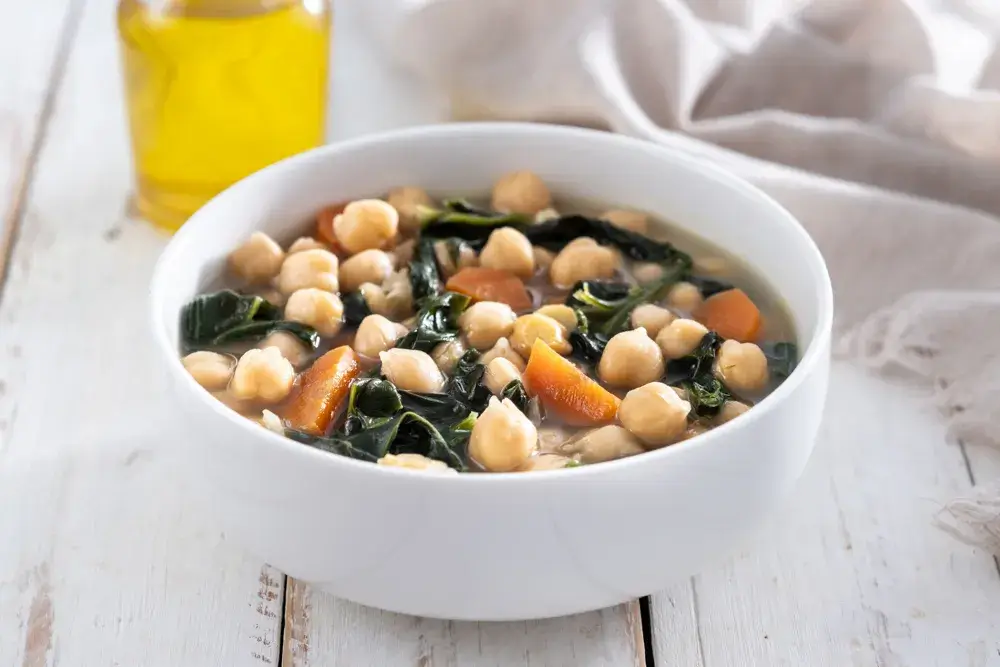
Dinner: Chickpea stew with tomatoes, onions, and spinach
Day 4
Breakfast: Veggie omelet with spinach, tomatoes, and feta served with whole-grain toast
Lunch: Brown rice bowl with black beans, corn, and avocado
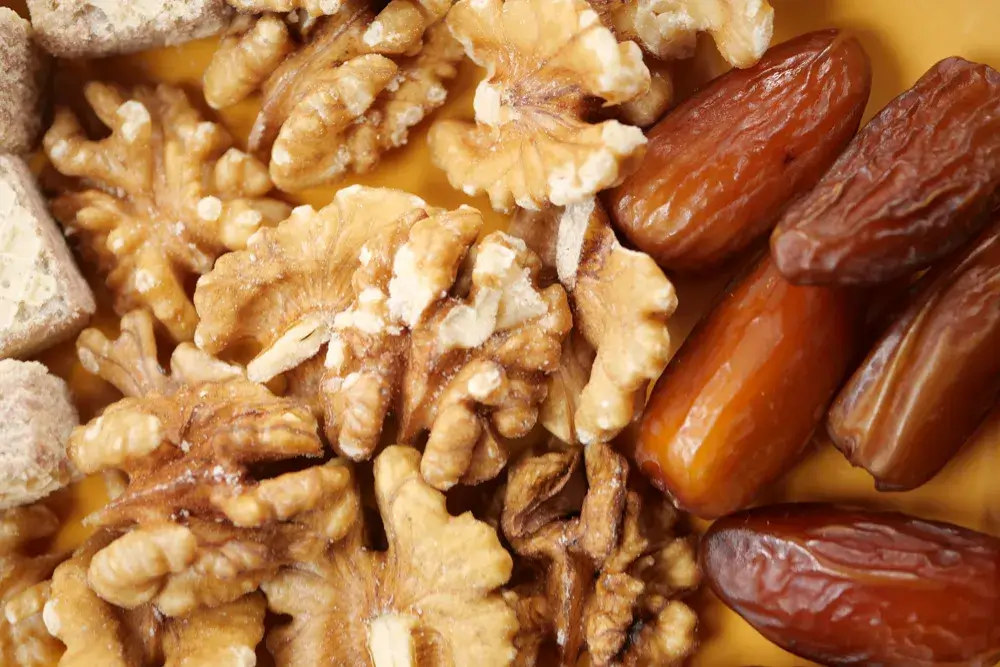
Snack: A few dates and walnuts
Dinner: Baked chicken breast with rosemary, lemon, and roasted vegetables
Day 5
Breakfast: Greek yogurt with fresh berries and chia seeds
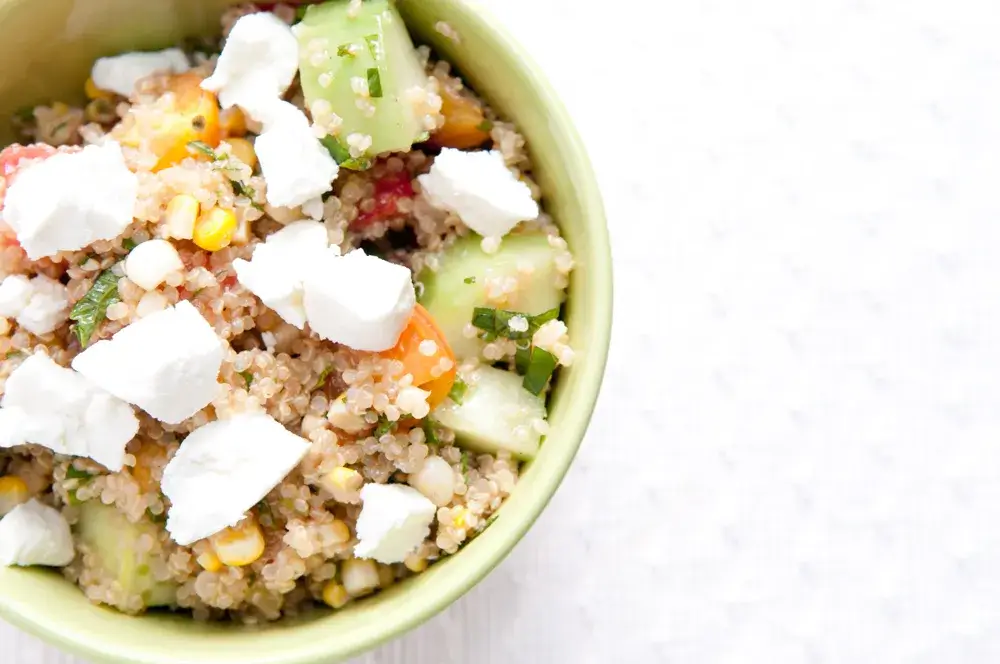
Lunch: Quinoa salad with cucumbers, tomatoes, olives, and feta
Snack: An apple and a handful of almonds
Dinner: Grilled salmon with roasted zucchini and bell peppers
Day 6
Breakfast: Farro porridge with honey, cinnamon, and sliced apples
Lunch: Grilled veggie wrap with hummus on a whole wheat tortilla
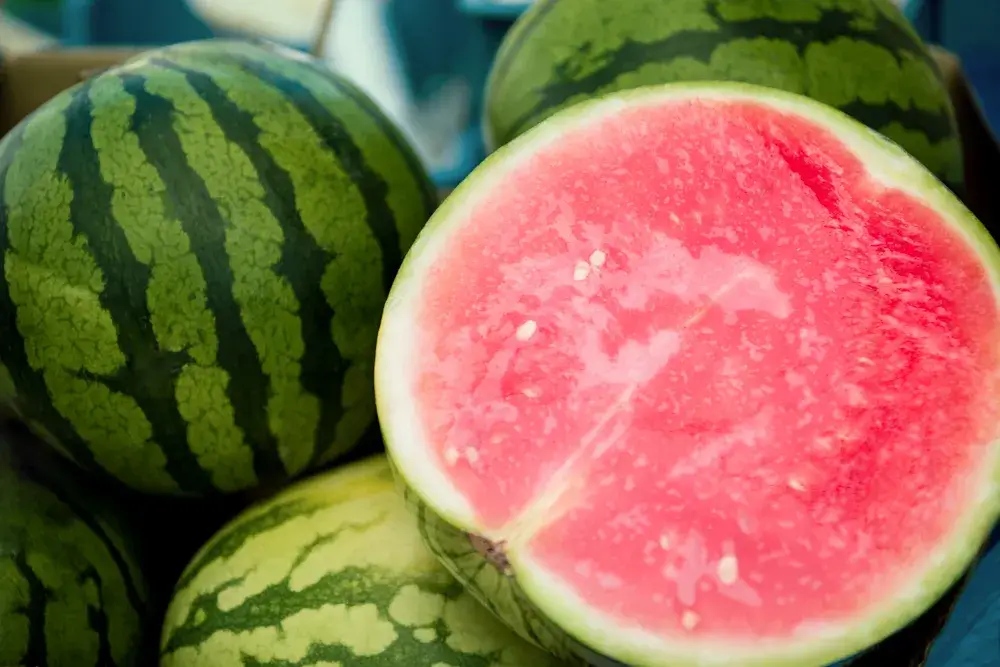
Snack: Fresh watermelon
Dinner: Seafood paella with brown rice, shrimp, and peas
Day 7
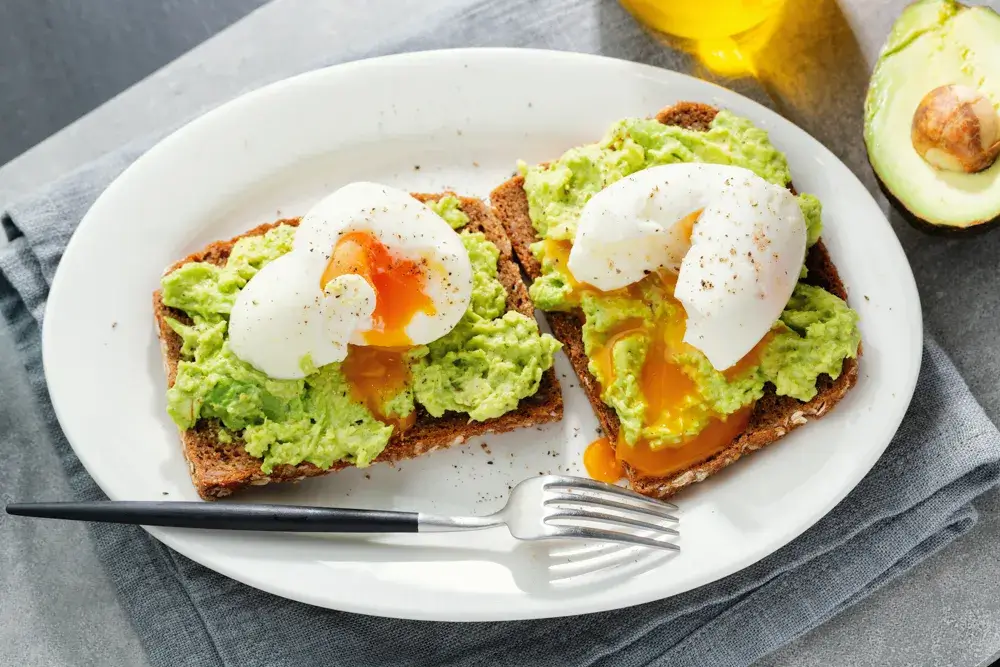
Breakfast: Whole-grain toast with avocado and a poached egg
Lunch: Lentil soup with a side of sourdough bread
Snack: An orange and a few olives
Dinner: Grilled mackerel with farro and steamed kale
How Do People Actually Stay Consistent With The Mediterranean Diet for Beginners?
Most diets fail because they fixate on extremes, and those extremes make people miserable.
The Mediterranean diet works in the opposite way. It includes everything, which makes it almost impossible to crash out, quit, or get stuck in a loop of starting over.
The food is genuinely delicious because it includes a variety of food groups and spices. You don’t have to fight your way through bland meals to get results. Every plate becomes something to actually look forward to.
Besides, Mediterranean meals are designed to be shared and enjoyed, which strengthens social connections. This makes it easier to transform your relationship with food because it removes the anxiety and mental load that comes with dieting. It quiets food noise because nothing feels like cheating, even foods that are typically considered less healthy can be enjoyed in moderation.
This flexibility is what makes the Mediterranean diet sustainable for years.

Frequently Asked Questions
Do I need to count calories and track macros on the Mediterranean diet?
No, you don’t. On the Mediterranean diet, it’s all about focusing on the quality of your food, balanced plates, and eating slowly enough to notice when you’re satisfied. If you have a specific goal, you’re welcome to count calories and track macros on the Mediterranean diet, but you don’t have to.
Can the Mediterranean diet help with weight loss?
In a way. The Mediterranean diet supports healthy weight management for most people since it centers on filling, fiber-rich foods and naturally cuts back on processed foods and sugary drinks. But you should know results vary from person to person, and portion sizes and overall lifestyle still matter when it comes to weight loss.
Is it expensive to follow the Mediterranean diet?
It doesn’t have to be. Beans, lentils, chickpeas, oats, and seasonal produce are some of the most affordable foods around. If you’re on a budget, go for frozen fish and vegetables and buy grains and legumes in bulk.
How often should I eat fish on the Mediterranean diet?
A common guideline is at least 2 servings a week. Go for fatty fish like salmon, sardines, and mackerel. If you don’t eat fish, do beans, nuts, seeds, and eggs.
Do I have to drink wine on the Mediterranean diet?
Not at all. While moderate wine with meals is part of traditional Mediterranean culture, it’s not a requirement. If you don’t drink, you lose nothing by skipping it. If you do, keep it moderate.
Can vegetarians or vegans follow the Mediterranean diet?
Yes. In fact, the Mediterranean diet is one of the easiest diets for vegetarians or vegans since it is plant-forward. Vegetarians can lean heavily on legumes, eggs, dairy, nuts, and whole grains, and vegans can build meals around legumes, whole grains, vegetables, nuts, seeds, and olive oil.
Is the Mediterranean diet gluten-free?
Not by default, since it includes wheat-based foods like whole wheat pasta and bread. However, it’s super easy to swap a few things to make it gluten-free. Do brown rice, quinoa, and oats labelled as gluten-free.
Ready to Start the Mediterranean Diet for Beginners?
Starting something new can be overwhelming, but here is the truth: the Mediterranean diet is one of the easiest diets to slip into your lifestyle, mainly because it doesn’t require you to suffer. In fact, it simply asks you to eat better while actually enjoying life.
Start small. Swap one refined carb for a whole grain, or add fruits and veggies to your meals.
The whole point is to just begin. Those small switches are what will help you build a plan you can stick to and let your health flourish in the long term.